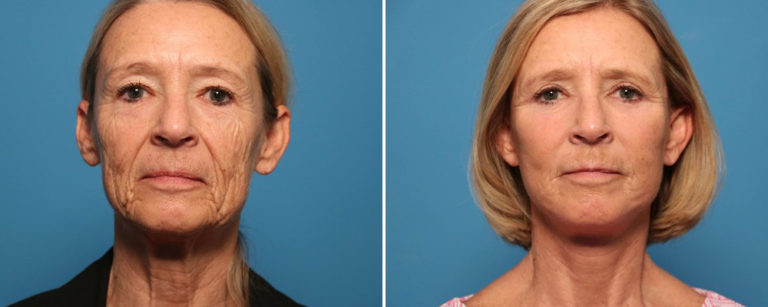
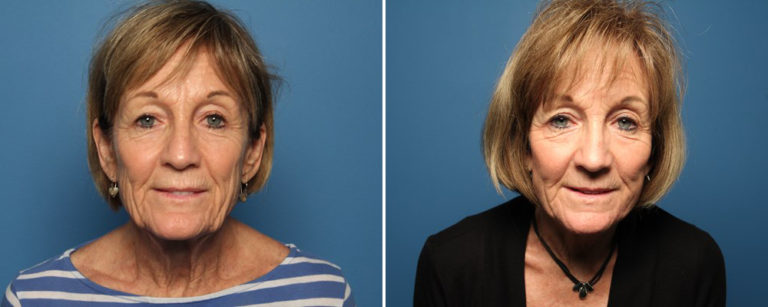
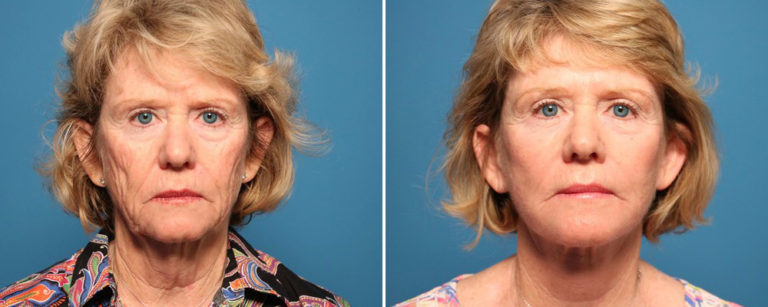
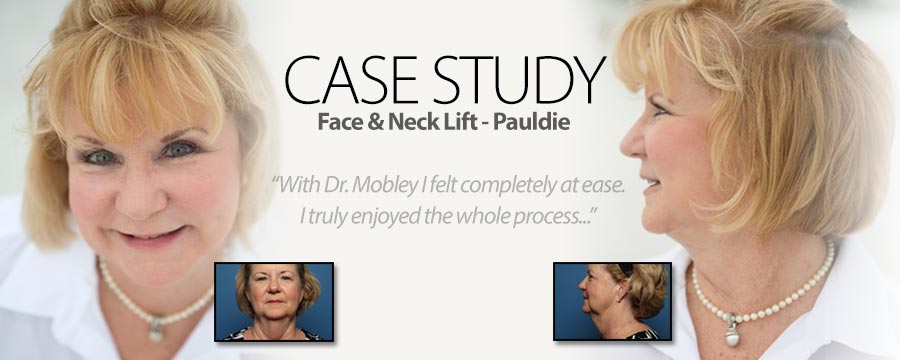
How do I prepare for a facelift?Preparing for a facelift involves several steps to ensure optimal results and a smooth recovery process. First, it is essential to have a thorough consultation with your surgeon to discuss your goals, medical history, and any potential risks. Maintaining a healthy lifestyle, such as eating a balanced diet, staying hydrated, and avoiding smoking, can also support your immune system and aid in faster healing. How long does facelift last?A facelift typically offers results that can last from 5 to 10 years. The longevity of a facelift's effects varies based on factors like your skin type, age, lifestyle, and the specific techniques employed by your surgeon. How long is recovery from a facelift?Generally, most patients can expect the initial healing phase to last one to two weeks. During this time, you may experience swelling, bruising, and some discomfort, which usually diminishes within that timeframe. After the first couple of weeks, many people feel comfortable resuming their normal daily activities, although some residual swelling or tightness may persist for a few more weeks. How much is a facelift?The cost of a facelift can vary widely depending on numerous factors, including the complexity of the procedure. On average, facelift surgery can range from $7,000 to $15,000 in the United States. How painful is a facelift?Generally, patients experience moderate discomfort rather than severe pain after their facelift. Most individuals report feeling tightness, swelling, and soreness in the days following the procedure. These symptoms are typically manageable with prescribed pain medication and tend to subside significantly within a week or two. Is a facelift permanent?While a facelift can yield long-lasting results, it is important to note that it is not entirely permanent. The natural aging process continues even after the surgery, meaning that over time, skin may begin to sag again, and new wrinkles could form. What is the difference between a deep plane and SMAS facelift?The main difference between a deep plane facelift and a SMAS facelift lies in the technique used to lift and tighten the facial tissues. In a SMAS facelift, which stands for Superficial MusculoAponeurotic System, the surgeon targets the layer of tissue just below the skin to reposition and secure it. On the other hand, a deep plane facelift releases and repositions deeper layers of facial muscles and tissues, allowing for a more natural and longer-lasting result. When should you get a facelift?Determining when to get a facelift is a highly individual decision, often influenced by personal aesthetic goals, signs of aging, and general health. Typically, a facelift is considered when someone begins to notice significant sagging in the facial and neck areas, deep creases around the mouth and nose, jowls, and loose skin beneath the chin, which can't be addressed with non-surgical treatments. Are There Any Non-Surgical Facelift Alternatives?Patients who aren’t ready for a facelift or who aren’t good candidates for surgery can refresh their appearance with one of our minimally invasive treatments. Botox® and Juvéderm® are two of our most sought-after non-surgical options for facial rejuvenation. These injectables can minimize wrinkles and counter volume loss in one quick, easy procedure. Will I Have Visible Scars After A Facelift?Our surgeons use careful techniques and thoughtful incision placement to minimize visible scarring after facelift surgery. While the incisions for a traditional facelift are long and extend from the temple to the lower hairline, a skilled surgeon will conceal them in natural creases and within the hairline, so they remain very discreet. After healing, most patients report little to no visible scarring. How Long Does Facelift Surgery Take?An average facelift procedure takes between three and four hours. How Do I Know When I’m Old Enough For A Facelift?As soon as aging starts to take a toll on your appearance, it is time to consider facelift surgery. There is no ideal age for this procedure. Most of our patients are between the ages of 50 and 70, but genetics and lifestyle choices make some patients a candidate for surgery in their 40s. If signs of aging are troubling you, come see us to explore your options. Our non-surgical treatments can subtly refresh your appearance if your degree of aging hasn’t advanced enough for surgery. How Can I Learn More About A Sarasota Facelift?If you’re interested in exploring facelift surgery, we encourage you to schedule a consultation. Our 60-minute consultations cost $125 and provide a personalized and comprehensive look at the available options for facial rejuvenation. What Are The Types Of Anesthesia Used For A Facelift? Is One Better Than The Other? Does One Carry More Risks?Most facelifts are performed under IV sedation or general anesthesia. If performed at an accredited facility and by experienced board-certified anesthesiologists, they are both very safe. Some surgeons prefer one over the other. I would trust your doctor and undergo whichever makes your surgeon comfortable. Depending on your health status, they are both safe forms of anesthesia. How Do I Get A Natural-Looking Facelift That Makes Me Look Better?Understanding the aging process is important to achieve a natural result. Years ago, we thought it was just loosening of the skin. But now plastic surgeons have realized that it is also a loss of volume. Therefore, we are filling the face with fillers or fat to restore lost volume and lifting and excising skin to restore skin laxity. Consulting with a board-certified plastic surgeon who is willing to take the time to address your concerns is the most important. Look at his/her before and after pictures. Communication is the most important, so finding someone you can talk to is very important in addition to experience. Why Are Ears Covered On Facelift/Neck Lift Procedures? Does A Facelift Leave Scars?The scars from a facelift should be either well-hidden or difficult to see. After complete healing, they should be a pencil line thick and light in color. They do not disappear completely, but they should not be visible from a normal conversational distance (2.5 feet). Your hairstylist may see them, but she is much closer. Hairstyles often change after facelifts but not to hide the scars. Most women are simply happy with their fresher, more youthful appearance and want to update their hairstyle. What Can Be Expected With A Facelift Recovery And Swelling?While using a compressive garment is not essential, we prefer patients to wear it for a portion of the day for the first few weeks after surgery. This garment helps limit swelling, speed up social recovery, and prevent complications. I generally ask patients to wear the garment at least 4 hours a day while they are up and moving about at home, but not to sleep in it, so it does not fold on itself and create creases in the skin. When Is A Facelift The Best Choice?A good general answer to this question is when non-surgical rejuvenating procedures, such as Botox and Juvederm, are not correcting your aging features. In the past, people would wait until they had excessive signs of facial aging. However, we realize now that it’s better to maintain a youthful appearance as you age. This will avoid a dramatic alteration in your appearance if you wait until your more senior years. While non-surgical procedures are a great way to look refreshed and youthful, there will become a point when they simply aren’t enough. Having a surgical procedure at this point is the best time.rnrnYou will be less likely to achieve a surgical or altered appearance and get more responses from friends like, “did you go on vacation?” or “did you lose weight?” instead of “did you have a facelift?” Once again, research your surgeon and consult with a board-certified plastic surgeon. Can a facelift and neck lift be combined?Yes, a facelift and neck lift can be combined, and this approach is quite common. When performed together, these procedures can address signs of aging in the face and neck simultaneously, resulting in a more harmonious and rejuvenated appearance. Can a facelift tighten my jawline?A facelift can indeed help tighten your jawline by removing excess skin and repositioning underlying tissues to create a more defined and youthful appearance. As we age, the skin loses elasticity, contributing to sagging around the jawline and neck. A facelift addresses these issues by lifting and tightening the skin and musculature, which reduces signs of aging like jowls and loose skin. |