Although most patients who are seeking cosmetic surgery have an idea of what procedure they may be most interested in having, they usually have numerous questions related to the procedure. For the benefit of our current and future cosmetic plastic surgery patients in Sarasota, FL, we have put together a list of the most frequently asked questions that patients have regarding each of the common procedure categories.
If you don’t see the answer you’re looking for, please feel free to submit your question by clicking the button below. One of our plastic surgeons or expert staff will personally answer your question. Finally, attending one of our free seminars is an excellent way to have all of your questions answered. Our plastic surgeons hold an extensive question and answer session at the end of each seminar.
Partner with Sarasota’s Premier Plastic Surgeons
At Sarasota Plastic Surgery Center, our team of highly qualified surgeons is ready to leverage over 60 years of combined experience to help you achieve your aesthetic goals. Our state-of-the-art facility, innovative technology, and distinguished plastic surgeons set the gold standard for non-invasive and surgical procedures. Are you ready to make your vision a reality by partnering with Sarasota’s best plastic surgeons? Schedule your consultation today!
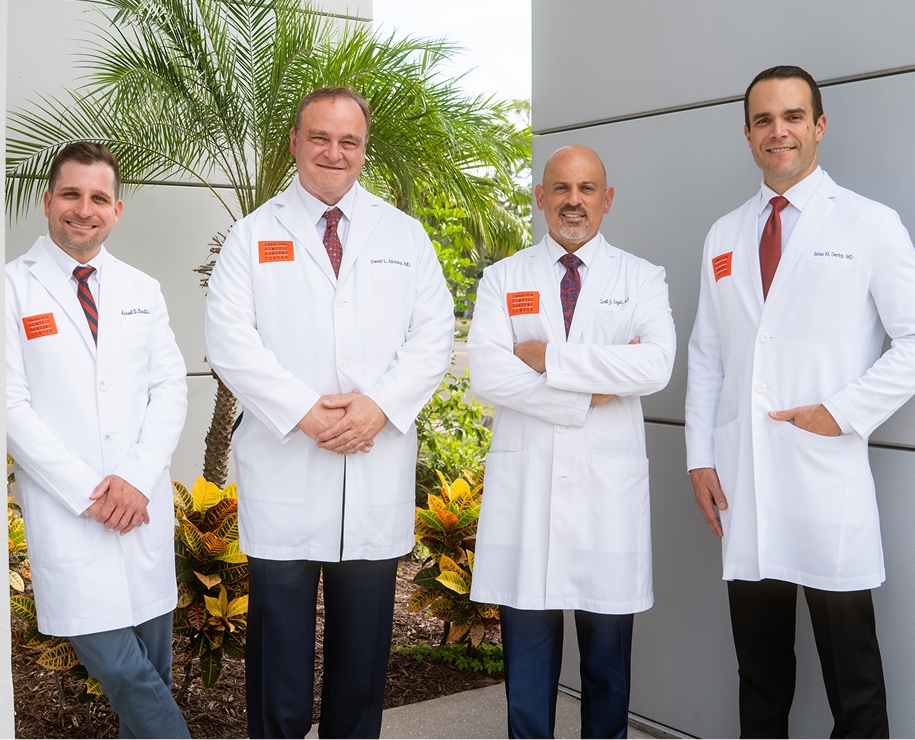
Many doctors perform cosmetic and plastic surgery in Sarasota. However, if you’re pursuing a result that only a handful of doctors in the world can achieve, you will want to enlist the help of Sarasota Plastic Surgery Center’s renowned plastic surgeons. Our top rated surgeons have a delicate touch, vast experience, and an aesthetic eye. Known throughout Florida for their exceptional and natural results, the SPSC board-certified and board-eligible physicians have the highest possible credentials and training.
FAQs About Plastic Surgery in Sarasota, FL
Do breast implants cause autoimmune disease?
Over time natural aging, gravity, and skin changes can cause sagging even with implants, though the added volume may initially give a lifted look.
Do you have to replace breast implants every 10 years?
Implants only need replacement if there is a problem such as rupture, deflation, or capsular contracture, though many are changed within 10 to 20 years.
Are breast implants under warranty?
Most breast implants come with a manufacturer’s warranty that covers defects and, in some cases, provides financial assistance for revision surgery. The coverage details vary by brand and type of implant.
How do you know if you have capsular contracture?
Signs include breast firmness, tightness, pain, and changes in shape or position, often diagnosed during a physical exam by your surgeon.
Can breast implants last 30 years?
While some implants may last decades without problems, they are not considered lifetime devices, and most will eventually need replacement or removal. Regular monitoring is advised.
Can I move my arms after breast augmentation?
You can move your arms gently after surgery, but strenuous lifting or overhead reaching should be avoided for several weeks to allow proper healing.
Can you breast feed after breast augmentation
Many women can breastfeed after breast augmentation, especially if incisions are made under the breast or in the armpit, but it is not guaranteed.
Does getting breast implants make you gain weight?
Breast implants add some weight (usually 1–2 pounds total), but they do not cause body-wide weight gain.
How do I know if my breast implant is leaking?
Saline implant leaks often cause a noticeable decrease in breast size, while silicone leaks may require MRI or ultrasound to detect since changes are subtler.
How do I prepare for breast implants?
Preparation includes medical evaluations, avoiding certain medications or supplements, stopping smoking, and arranging for time off and help during recovery.
Are Silicone Breast Implants Safe?
Many of our patients ask about the safety of silicone breast implants. Today’s silicone implants are much more advanced than the silicone implants used decades ago. Ruptures are rare, but when they do occur, newer implant types feature a durable shell that will encase the silicone gel, preventing it from entering the body. Whether you choose saline or silicone for your procedure, we are confident in the safety and efficacy of the breast implants that we use at our practice.
Do I Need a Breast Lift with My Augmentation?
Breast implants do not alleviate breast sagging. If you have sagging or drooping breasts, you may benefit from a breast lift with your augmentation procedure. A breast lift and breast augmentation can be performed simultaneously during a single trip to the operating room. Many women opt for a breast lift with implants as part of a mommy makeover after pregnancy.
How Often Do I Need to Replace My Breast Implants?
Modern breast implants are exceptionally durable and have an outstanding safety profile. Breast implants can last 15 years or longer. If your implants show no signs of damage or defect, replacement may not necessary. Periodic checks of your implants, both by your plastic surgeon and using MRI technology, will ensure your implants are still intact years after your surgery.
After surgery, how long does it take for breasts to start feeling soft?
For most patients, it takes about 8-12 weeks for the breasts to feel as soft and natural as they did before their breast surgery. Abnormal nipple sensation is typical too. They can be extra sensitive or less sensitive, but they typically resolve themselves in a few months.
What are the benefits of Saline Implants?
Saline implants are filled with saline solution during the surgery, which allows your surgeon to make more precise adjustments. Saline implants can be placed in the pocket through a small sub-areolar incision, which allows for the creation of a full cleavage. If saline implants rupture, your body naturally absorbs and processes the saline liquid with virtually no risk or harm. Your surgeon will gladly discuss how saline implants can benefit you during your consultation.
What is the recovery like? When can I start exercising again?
You can return to light work after 3-4 days and resume light exercising in the gym after two weeks, depending on where you are in the healing process. Full activity without limitation is permitted after one month from surgery.
How Much Does Breast Augmentation Cost?
Since breast augmentation is highly customized, it is impossible to provide a quote for this procedure without meeting for a consultation first. You’ll receive detailed pricing information during your first meeting with us, including details about our payment and financing options.
Can I Breastfeed with Breast Implants?
Many women go on to successfully breastfeed after breast augmentation. If you’re planning future pregnancies and hope to breastfeed, let your surgeon know before surgery as some implant placement options and incision types are more conducive to future breastfeeding success.
Where Will My Breast Augmentation Be Performed?
Sarasota Plastic Surgery was built and developed by a team of plastic surgeons. We paid careful attention to every detail to ensure our patients could achieve the best aesthetic results possible in a safe and comfortable environment. Our surgical center is on-site, located on the top floor of our facility. Our surgery center is fully accredited by both state and federal organizations and features two state-of-the-art operating rooms and a three-bed recovery room. Since we manage the surgery center ourselves, we can ensure high levels of safety and low infection rates.
Which breast implant size suits my body?
During the consultation, we will thoroughly discuss the patient’s aesthetic goals, go over the different breast implants we offer, and review what size breast implants will best suit their body type. We also offer Vectra 3-D, which allows the use of 3-dimensional images showing actual changes with different implants. This helps our patients make the most beneficial decision and reach their aesthetic goals.
What other breast surgeries are offered at Sarasota Plastic Surgery Center?
In addition to breast augmentation, we also offer our expertise in breast lifts, breast augmentation with a breast lift, breast reduction, and breast revision or implant removal. Your surgeon will help you decide which of these procedures is right for you.
What type of breast implant looks and feels the most natural?
Silicone implants are known for creating natural-looking and feeling breast results, especially in thin patients with little natural breast tissue. However, saline implants allow for small incisions and are easier to remove, but they can have a firmer feel since they are filled with medical-grade saline.
Does gynecomastia surgery leave scars?
Gynecomastia surgery, also known as male breast reduction surgery, can result in scarring, although the extent and visibility of scars vary depending on several factors. The surgical technique used, such as excision, liposuction, or a combination of both, largely determines the kind and location of scarring. That said, with advances in surgical techniques, incisions are generally made as small as possible and in inconspicuous locations to reduce visible scarring. Following postoperative care instructions and engaging in scar-reducing treatments can help minimize the appearance of scars over time.
How can gynecomastia be prevented?
Gynecomastia can stem from several causes, including hormonal imbalances, certain medications, and underlying health conditions. To potentially prevent gynecomastia, it is crucial to maintain a healthy lifestyle and be aware of risk factors. This includes monitoring medications that could contribute to this condition. Additionally, managing weight through a balanced diet and regular exercise can help maintain hormone balance. Limiting alcohol consumption can also be beneficial, as it can be linked to hormonal disruptions.
How do you shower after gynecomastia surgery?
Showering after gynecomastia surgery requires special care to ensure proper healing and avoid complications. Usually, you should wait at least 48 hours before taking your first shower, but it's essential to follow the specific instructions provided by your surgeon. When you're ready to shower, keep the water lukewarm to avoid irritating the skin and incisions. Gently clean the chest area without applying pressure or scrubbing. Avoid using harsh soaps or products with strong fragrances; instead, opt for mild, hypoallergenic options. After showering, gently pat the area dry with a clean towel to avoid disturbing the surgical site.
What causes gynecomastia in males?
Gynecomastia in males is primarily caused by an imbalance between testosterone and estrogen levels. When estrogen levels are relatively high compared to testosterone, it can lead to enlarged breast tissue. This hormonal imbalance can occur naturally during certain life stages, such as puberty or older age. Other factors that may contribute to gynecomastia include the use of certain medications, such as anabolic steroids. Additionally, health conditions such as liver or kidney disease, hypogonadism, and tumors can affect hormone levels and potentially cause gynecomastia. A comprehensive evaluation is often necessary to determine the specific cause.
Can gynecomastia be cured without surgery?
Gynecomastia can sometimes be addressed without surgery, but it depends on its underlying cause. In many cases, gynecomastia results from hormonal imbalances, and non-surgical treatments like medication or lifestyle changes can be effective. However, if those options don't work, surgery can give you the flatter and firmer chest you're looking for. Your surgeon at Sarasota Plastic Surgery will walk you through your options.
How long do you have to wear a compression garment after gynecomastia?
After gynecomastia surgery, wearing a compression garment is a crucial component of the recovery process. Typically, patients are advised to wear a compression garment for approximately three to six weeks to minimize swelling, support the new contours of the chest, and aid in the healing process. It is important to wear the compression garment consistently, except when showering, especially in the first few weeks post-surgery, to achieve optimal results.
How long does it take to recover from male breast reduction?
Recovering from male breast reduction typically spans around 4 to 6 weeks. During the initial days following the procedure, patients often experience swelling, bruising, and some discomfort, which usually subside within the first few weeks. It's common for patients to return to light daily activities after about a week, but more strenuous activities, including exercise, should be postponed for at least 3 to 4 weeks to ensure proper healing. Wearing a compression garment is recommended during the recovery period to help minimize swelling and support the new chest contours. The final results of the surgery are typically visible after a few months, as the body fully heals and swelling diminishes.
How long till swelling goes down after gynecomastia surgery?
After gynecomastia surgery, swelling is a common post-op symptom. Generally, the initial swelling begins to subside within the first one to two weeks following the surgery. However, it can take several weeks to months for all the swelling to completely dissipate. Patience is key during the recovery process, as individual healing timelines can vary. Wearing compression garments and avoiding strenuous activities can help manage the swelling effectively.
Can gynecomastia grow back after surgery?
Gynecomastia can indeed return after surgical intervention, though this is not common. Several factors can contribute to the recurrence of gynecomastia after surgery. Hormonal imbalances, weight gain, the use of certain medications, or underlying medical conditions can all play a role in the reappearance of breast tissue growth. Post-surgery, it is essential for patients to maintain a stable weight and monitor their health to manage any potential factors that could lead to recurrence.
Is gynaecomastia surgery painful?
Gynecomastia surgery is generally well-tolerated when performed by an experienced surgeon like our team at Sarasota Plastic Surgery. Anesthesia will be administered prior to surgery, so you won't feel a thing. As for post-op, many patients report moderate discomfort rather than intense pain. The discomfort is typically manageable with prescribed pain medication and tends to decrease significantly within the first week.
How do I know if I need Gynecomastia surgery?
Proper diet and exercises are initially recommended before considering any surgical treatment. However, if the issue persists, liposuction – sometimes even combined with a lift – may be performed to reshape the chest.
Will my pecs show?
Gynecomastia, unfortunately, hides the normal chest muscles that lie underneath the layers of overdeveloped breast tissue. For those who have severe gynecomastia, it is even possible that the overgrowth of breast tissue has developed into internal scarring. With a breast reduction surgery, all excess fat and breast tissues will be removed and the pectoralis muscles will be spared so that they can become more visible. With proper diet and exercise after the surgery, men will be able to tone and strengthen their chest muscle to regain the chest’s natural form.
Will I need liposuction?
Liposuction is the primary approach in extracting fat or any soft tissues. Because it uses a small cannula to vacuum the fat out, it is a less invasive approach compared to excising the tissue, which requires longer incisions. These options will be provided with more details prior to the surgical plan so the patient can consider all factors and ultimately decide which technique is preferred.
Will I have scars after gynecomastia surgery?
If the breast reduction technique uses liposuction, the incisions will be minimal and will be placed around or near the areola. The plastic surgeon will make every effort when it comes to making the incisions and suturing to minimize the effects of scarring.
Can breast implants last a lifetime?
Breast implants are not designed to last a lifetime. While modern implants are durable and have a long lifespan, they are not guaranteed to remain problem-free indefinitely. On average, breast implants may last between 10 to 20 years. Over time, implants may require replacement due to rupture, deflation, or cosmetic concerns like capsular contracture or a change in breast shape.
What are the symptoms of breast implant illness?
Breast implant illness is a term used to describe a variety of symptoms that are believed to be associated with breast implants. The symptoms of breast implant illness can vary widely and may include chronic fatigue, cognitive dysfunction, muscle or joint pain, and autoimmune symptoms. Some individuals report rashes, anxiety, headaches, hair loss, and gastrointestinal problems as part of their experience. It's important to note that breast implant illness isn't universally recognized as a medical diagnosis; however, increasing reports from patients have spurred further investigation into these concerns.
What does capsular contracture look like?
Visually, capsular contracture may present as a change in the shape of the breast, making it appear distorted. The skin over the breast may look rippled or uneven, and the affected breast may sit higher on the chest compared to the other. In more severe cases, the breast may feel hard or firm to the touch, and you may experience pain or discomfort.
Can breast implants cause pain years later?
Breast implants can cause pain years after the surgery for various reasons. Over time, scar tissue might develop around the implant, leading to capsular contracture, which can cause discomfort or pain. Additionally, the implants themselves can rupture or leak, resulting in pain, changes in breast shape, or other physical symptoms. Other potential factors contributing to late-onset pain include weight fluctuations, hormonal changes, or natural aging processes impacting breast tissue and skin elasticity.
How common is capsular contracture in breast implants?
Capsular contracture is a relatively common complication that can occur after breast implant surgery, where the scar tissue that naturally forms around the implant begins to tighten and thicken. This condition can lead to hardening of the breast, discomfort, and changes in the breast's appearance. The incidence rate of capsular contracture varies, but it is estimated to affect approximately 10-20% of individuals who undergo breast augmentation.
How do you know if my implants are leaking?
Detecting a leaking breast implant often involves observing specific physical symptoms and changes. If you have silicone breast implants, they may be more challenging to detect because the silicone gel tends to remain within the implant or surrounding tissue. However, signs of a leak can include changes in breast shape or size, pain, or swelling in the breast area, lumps, or firmness. In the case of saline implants, a leak might be more noticeable, as the body absorbs the saline solution, leading to a more apparent deflation or change in size of the affected breast. To accurately diagnose any issues with breast implants, imaging tests like an MRI or ultrasound can provide a clearer picture of their condition and detect any ruptures or leaks.
How much does it cost to have breast implants removed?
The cost of breast implant removal varies significantly depending on several factors, including the complexity of the procedure and whether new implants will replace the old ones. On average, the price for breast implant removal can range from $2,500 to $5,000.
Is removal of breast implants dangerous?
Removal of breast implants is generally considered safe when performed by a qualified and experienced surgeon. However, as with any surgical procedure, there are inherent risks and potential complications. These may include infection, changes in breast appearance, scarring, and anesthesia-related risks. It's important for individuals considering explant surgery to discuss their medical history, reasons for implant removal, and any concerns with their surgeon to better understand the procedure and manage expectations. Overall, many people successfully undergo breast implant removal and experience satisfactory outcomes.
What happens if breast implants are not replaced?
If breast implants are not replaced, several potential long-term consequences can occur. Over time, implants may rupture or leak, which can lead to changes in breast shape and size or cause discomfort. Silicone implants that rupture might remain unnoticed as silicone can stay within the surrounding tissue, whereas saline implant ruptures are more immediately noticeable due to rapid deflation. Additionally, the natural aging process can affect the appearance of breast implants, often resulting in sagging or changes in symmetry.
Can breast implants get infected years later?
Yes, breast implants can get infected years after the initial surgery, although it is relatively uncommon. Infections can occur due to several factors, including the body's reaction to the implant over time, surgical complications, trauma, or even bacterial contamination. It is important to recognize symptoms of infection early, which may include redness, swelling, pain, or changes in breast shape.
What are the early signs of capsular contracture?
One of the early signs of capsular contracture is a noticeable hardening of the breast, which may feel firmer than usual. Some individuals might also experience mild pain or tenderness around the implant, accompanied by a slight deformity as the breast shape changes. In certain cases, there may be a feeling of tightness around the implant or the breast might begin to appear misshapen or asymmetrical.
What percentage of breast implants rupture?
The rupture rate of breast implants can vary depending on several factors, including the type of implant, its age, and the surgical technique used. Generally, studies suggest that the rupture rate for silicone breast implants ranges from approximately 1% to 10% over a ten-year period. Saline implants may have a slightly different rupture rate.
Will capsular contracture go away?
While in some mild cases the symptoms may improve over time, moderate to severe capsular contracture typically does not resolve without intervention. Treatment options vary depending on the severity and may include techniques such as massage, ultrasound therapy, or in some cases, surgical intervention to remove or replace the implant and the surrounding scar tissue.
How often should breast implants be checked?
Breast implants should be checked routinely to ensure their integrity and the health of the surrounding breast tissue. The frequency of these checks can vary depending on individual circumstances, but generally, it is recommended to have a breast exam annually. It's also recommended that patients with silicone breast implants have an MRI screening three years after the initial surgery and every two years afterward to detect any silent ruptures.
When should you have breast implants replaced?
Breast implants are not considered lifetime devices, and their longevity can vary significantly based on factors like the type of implant, surgical technique, and individual patient characteristics. However, it is generally recommended to consider replacing or revising breast implants every 10 to 15 years.
How much does breast revision cost in Sarasota, FL?
We provide patients with a detailed quote during their consultation appointment at Sarasota Plastic Surgery. The cost of revision surgery varies, depending on the procedure’s complexity and whether you are having implants replaced.
Do you offer en bloc breast implant removal?
The plastic surgeons at Sarasota Plastic Surgery offer many types of breast implant removal and revision, including en bloc capsulectomy, a specialized type of breast implant removal that removes the implant and capsule as a singular unit.
What will my breasts look like after removing my breast implants?
Breast implants stretch the breasts’ skin and tissues. Removing them can leave your breasts with an empty, deflated appearance. We typically perform a breast lift with breast implant removal to reshape the breast skin and tissues.
How does breast revision recovery compare to an initial breast augmentation?
Our patients tell us that their breast revision recovery was like the healing process they experienced after their initial breast augmentation. Most patients require one to two weeks off from work and limited physical activity for four to six weeks.
Can I include breast revision in my mommy makeover?
Pregnancy and breastfeeding often result in breast changes that may include sagging. Breast implants do not stop sagging from occurring, and in some cases, make breast laxity more noticeable. Many women include breast revision surgery in their mommy makeover.
Do I need to replace my breast implants every 10 years?
Breast implants are not on a set replacement schedule. If your breast implants have no flaws or defects and you’re happy with your breast appearance, you probably do not need breast revision. Regular follow-ups with your plastic surgeon can monitor your breast implants to determine when you need to have them replaced.
Can a mammogram detect a ruptured implant?
Yes, a mammogram can sometimes detect implant ruptures, but an MRI or ultrasound is often recommended to get a more accurate picture.
How do fat transfers work?
Fat transfer involves liposuction to remove fat from one area, which is then purified and injected into the breasts to enhance volume and contour.
Is natural breast augmentation safe?
Yes, fat transfer breast augmentation is generally safe when performed by our experienced plastic surgeons, but risks include fat reabsorption, asymmetry, and the formation of lumps.
What are the risks of fat transfer?
Risks include fat reabsorption, cyst formation, calcifications, infection, and uneven results. These risks are very rare and our plastic surgeons will thoroughly discuss how to mitigate them.
Does fat transfer last?
Fat transfer results are long-lasting, but some of the transferred fat can be reabsorbed by the body over time. Sticking to your aftercare steps can help more of the fat last.
Can I lay flat after breast augmentation?
We recommend sleeping on your back with your head elevated for at least two weeks to reduce swelling and pressure on the breasts.
Can belly fat be used for breast reconstruction?
Yes, fat from the abdomen can be transferred to the breasts for reconstruction using fat grafting. This technique is a natural alternative to implants.
Can I take my surgical bra off for a few hours?
It’s best to follow your plastic surgeon’s instructions, but in most cases, your surgical bra should be worn as much as possible for the first few weeks except for showering.
Can you transfer fat to your breast?
Yes, fat can be transferred to the breasts through a procedure called fat grafting, offering natural enhancement without implants.
How long is recovery after fat transfer?
Most patients recover within one to two weeks, but swelling and minor discomfort can persist for a few more weeks. Full results become visible after a few months.
Is fat transfer to the breast painful?
Because we administer general anesthesia, you won’t feel any pain or discomfort at any point during your procedure.
Is fat transfer permanent?
While not all the transferred fat cells will survive in the breast, the fat cells that do survive are considered permanent.
What are the complications associated with fat transfer to the breast?
Some of the complications or risks associated with fat transfer to the breast include infection, bleeding, bruising, and uneven fat migration.
When can I return to exercise after fat transfer to the breast?
Most patients can return to light activities after 2-3 weeks, but you should wait up to six weeks for more strenuous activities.
Can fat transfer address breast asymmetry?
Absolutely! By adding specific amounts of fat to the breasts, our team can easily make them balanced and symmetrical.
How much fat typically survives after a fat transfer to the breasts?
On average, about 60–80% of the transferred fat survives long-term, though this can vary. The body naturally reabsorbs some of the fat during the first few months. Surgeons account for this by carefully planning the amount of fat transferred.
Will I need more than one fat transfer session to achieve my desired results?
Some patients achieve their goals with a single session, while others may benefit from a second procedure to achieve additional volume or refinement. Fat transfer provides subtle to moderate enhancement, so expectations and body fat availability play a role. Your surgeon will discuss whether staged treatments are appropriate for you.
Where is fat usually harvested from for breast fat transfer?
Fat is commonly harvested from areas with excess fat, such as the abdomen, flanks, thighs, or hips. This allows for body contouring in the donor area as an added benefit.
How soon will I see the final results after breast fat transfer?
Initial results are visible soon after surgery, but swelling can temporarily obscure the final outcome. Over the first three to six months, the surviving fat stabilizes, and the breasts soften into a more natural shape; final results are typically assessed around six months.
Am I a good candidate for fat transfer to the breasts?
Good candidates are individuals seeking modest breast enhancement who have adequate donor fat and prefer a natural alternative to implants. Patients should be in good overall health, at a stable weight, and have realistic expectations.
How long does it take to recover from a breast reduction?
Recovery typically takes four to six weeks, with noticeable improvement in comfort and mobility within the first week.
Does insurance pay for breast reduction?
Insurance may cover the procedure if it is medically necessary. Documentation of related physical issues is often required.
How long will my breast reduction results last?
Breast reduction is a long-term solution for patients who are affected with excessively large breasts. In cases where there is significant weight gain, the results may be compromised just like any cosmetic procedure that modifies body shape. Natural aging and gravity will take their toll over time and will still affect the breasts with or without the reduction. It is important to maintain a good health routine so that the enhancement lasts for a long time.
Will breast reduction surgery reduce my areola size?
For women with larger breasts, the areola is also excessively large. In a breast reduction surgery, an areola reduction is also considered. As an incision is made surrounding the areola, the excess skin will also be trimmed so that it is proportional to the breasts’ new shape.
How much does breast reduction surgery cost?
This varies depending on the doctor’s initial evaluation and the patient’s preference. Often, the reduction results in a cup or two smaller from the original breast size.
What is breast reduction surgery?
Breast reduction involves removing excess breast tissue, fat, and skin to create smaller, lighter, and more proportionate breasts.
Who is a good candidate for breast reduction?
Candidates are individuals experiencing physical discomfort, such as back or neck pain or self-consciousness due to overly large breasts.
Will there be scars after breast reduction?
Scars are common but tend to fade over time. The exact location depends on the surgical technique used.
Can breast reduction relieve back and neck pain?
Many patients experience significant relief from pain and discomfort caused by large breasts.
Can I breastfeed after breast reduction?
Some people can breastfeed, but the ability to do so may be reduced depending on the amount of tissue removed.
How much breast tissue is removed during breast reduction?
The amount varies based on individual goals and medical considerations. This is determined during a consultation.
What is the difference between breast reduction and a breast lift?
A breast reduction reduces breast size and weight, while a breast lift focuses on reshaping and lifting the breasts without significantly reducing their size.
Is breast reduction surgery painful?
Post-surgery discomfort is common but manageable with medication. Most patients report significant improvement in comfort as they heal.
Will breast reduction relieve pain right away?
Many patients experience noticeable relief from back, neck, and shoulder pain shortly after surgery. While some soreness from the procedure itself is expected during recovery, the reduction in breast weight often leads to early improvement in physical discomfort.
Will I have visible scars after breast reduction?
Breast reduction does involve incisions, so some scarring is expected. However, our surgeons place incisions strategically to minimize visibility, and scars typically fade significantly over time with proper care.
Can I breastfeed after a breast reduction?
Breastfeeding may still be possible after breast reduction, but it can be affected depending on the surgical technique used. If this is a concern, it’s important to discuss it with your surgeon during your consultation.
How long do breast reduction results last?
Results are long-lasting, especially when you maintain a stable weight and a healthy lifestyle. However, natural aging, hormonal changes, and significant weight fluctuations can impact breast shape over time.
When can I return to normal activities after surgery?
Most patients can resume light daily activities within one to two weeks. More strenuous activities, including exercise and heavy lifting, should be avoided for about four to six weeks or until cleared by your surgeon.
How long do breast lift results last?
Results can last many years, but aging, weight changes, and pregnancy may impact longevity.
How much does breast lift cost?
The cost varies depending on factors like the surgeon's experience, geographic location, and the complexity of the procedure.
How much scarring will I have after breast lift surgery?
Some scarring is normal after breast lift surgery. A surgeon must make incisions to trim away excess skin, which will inevitably leave scars. Our surgeons use scar minimization techniques and carefully place incisions to minimize their visibility. At first, scars will be more prominent, but over the first year after surgery, they will fade significantly. Most patients find the improvement in their breast shape offsets the appearance of any scars that occur.
How much does a breast lift cost in Sarasota, FL?
We customize each surgery and cannot provide a quote without first meeting with you. Each patient will receive detailed cost, financing, and payment information during their consultation with us.
How long does breast lift surgery take?
A typical breast lift procedure takes between two and three hours.
Is breast lift surgery painful?
Some discomfort is typical after a surgical procedure, but our team focuses on helping patients recover comfortably. Pain medications, including prescription and over-the-counter options, can reduce discomfort during the healing process. Let us know if you’re experiencing pain, so we can help you find solutions for your discomfort.
Could I benefit from nipple repositioning?
Surgeons often reposition and resize the nipples and areolas during breast lift surgery to make the nipples look more proportionate to the reshaped breast. Often, the areola stretches along with the breast size. Removing a small portion of this stretched-out skin can improve the aesthetic results of breast lift surgery for many women.
What is a breast lift?
A breast lift, or mastopexy, is a surgical procedure that lifts and reshapes sagging breasts by removing excess skin and tightening surrounding tissue.
Who is a good candidate for a breast lift?
Candidates are typically individuals experiencing breast sagging due to aging, weight changes, or pregnancy and are in overall good health.
Will a breast lift increase breast size?
A breast lift does not increase breast size but can improve breast shape and position. For additional volume, it can be combined with breast augmentation.
What is the recovery process for a breast lift?
Most patients resume normal activities within a week, but full recovery can take four to six weeks. Strenuous activities should be avoided during this time.
Are there scars after a breast lift?
There will be scars, but they are usually strategically placed and fade over time with proper care.
Can I breastfeed after a breast lift?
Breastfeeding is possible after a breast lift, but it may depend on the surgical technique used.
What breast lift techniques are available?
Techniques include crescent, periareolar, vertical, and anchor lifts, chosen based on individual needs and anatomy.
Is a breast lift painful?
Some discomfort is expected in the initial days, but it is generally manageable with prescribed pain medication.
How should I prepare for breast lift surgery?
Preparation for a breast lift typically includes a medical evaluation, lab work, and possibly imaging such as a mammogram. Patients are usually advised to stop smoking several weeks before surgery, avoid certain medications and supplements that increase bleeding, and arrange for time off work and help at home during early recovery.
Can a breast lift be combined with breast augmentation or breast reduction?
A breast lift is commonly combined with breast augmentation, breast reduction, or both, depending on a patient’s goals. Combining procedures can improve breast shape, position, and volume in a single surgery, reducing overall downtime. Your surgeon will recommend the safest and most effective approach based on your anatomy and desired outcome.
Will my breast lift results change with weight fluctuations or pregnancy?
Significant weight changes and pregnancy can affect breast lift results over time by stretching the skin and altering breast volume. Maintaining a stable weight and completing future pregnancies before surgery can help preserve results longer.
How soon can I return to work and exercise after a breast lift?
Many patients return to non-strenuous work within one to two weeks, depending on their comfort level and job demands. Light activity is encouraged early, but strenuous exercise and heavy lifting are typically restricted for four to six weeks.
Are breast lift results permanent, or will my breasts sag again over time?
Breast lift results are long-lasting but not considered permanent. Natural aging, gravity, hormonal changes, and lifestyle factors can gradually affect breast position. While some degree of change is expected, most patients enjoy improved shape and firmness for many years.
Should I expect scarring after a breast lift with augmentation? Where will my incisions be?
Some scarring is inevitable after this procedure, but our surgeons take steps to minimize its appearance through careful incision placement, advanced suturing techniques, and post-surgical skin care advice. Incisions will fade significantly in the first year after surgery. The placement of your incisions will depend on how much sagging is present. A common breast lift incision pattern includes an incision around the areola, extending downward from the areola to the breast fold, and across the inframammary fold.
How much does breast augmentation with lift cost in Sarasota, FL?
We believe in a personalized approach to plastic surgery. Come in for a consultation to receive a detailed quote for the cost of your desired procedure.
Where do you perform breast augmentation with lift surgery?
All surgeries take place at our on-site surgical center, located on the top floor of Sarasota Plastic Surgery Center. We’ve equipped our facility to adhere to the highest safety standards, and it is fully accredited.
Can implants alone address breast sagging?
A breast lift/augmentation combination is the best way to address ptosis and skin laxity in the breast area. Some patients with minor sagging and good skin tone may achieve excellent results with implants alone, but for most patients, the best results will come from this combination approach that lifts and reshapes the breasts, tightens and removes excess skin, and enhances with an implant.
How long will my breast augmentation with lift results last?
Breast augmentation with a lift reshapes the breast. For many patients, this reshaping leads to a permanent improvement in the breast shape and position. Natural aging will continue, and factors like weight loss or pregnancy can adversely affect the results. For the longest-lasting results, we recommend waiting to have this surgery until you are at your ideal weight and no longer planning future pregnancies. While breast implants may not last a lifetime, modern implants are durable and often last 15 years or longer.
How much does breast revision cost in Sarasota, FL?
We provide patients with a detailed quote during their consultation appointment at Sarasota Plastic Surgery. The cost of revision surgery varies, depending on the procedure’s complexity and whether you are having implants replaced.
Do you offer en bloc breast implant removal?
The plastic surgeons at Sarasota Plastic Surgery offer many types of breast implant removal and revision, including en bloc capsulectomy, a specialized type of breast implant removal that removes the implant and capsule as a singular unit.
What will my breasts look like after removing my breast implants?
Breast implants stretch the breasts’ skin and tissues. Removing them can leave your breasts with an empty, deflated appearance. We typically perform a breast lift with breast implant removal to reshape the breast skin and tissues.
How does breast revision recovery compare to an initial breast augmentation?
Our patients tell us that their breast revision recovery was like the healing process they experienced after their initial breast augmentation. Most patients require one to two weeks off from work and limited physical activity for four to six weeks.
Can I include breast revision in my mommy makeover?
Pregnancy and breastfeeding often result in breast changes that may include sagging. Breast implants do not stop sagging from occurring, and in some cases, make breast laxity more noticeable. Many women include breast revision surgery in their mommy makeover.
Do I need to replace my breast implants every 10 years?
Breast implants are not on a set replacement schedule. If your breast implants have no flaws or defects and you’re happy with your breast appearance, you probably do not need breast revision. Regular follow-ups with your plastic surgeon can monitor your breast implants to determine when you need to have them replaced.
Is breast asymmetry common?
Surprisingly, breast asymmetry is a common condition. While breast implants alone are able to produce even, beautiful results for many patients, the other surgeries mentioned on this page can also create symmetrical breasts that last a lifetime. Patients who decide to have a corrective surgery feel they no longer have to worry or feel anxiety about having limited clothing options to hide the asymmetry.
What causes breast asymmetry?
There are many factors that may contribute to breast asymmetry, but the exact cause remains unknown. Hormonal changes, injuries on the chest area, or breastfeeding are believed to be contributors to asymmetrical breasts. There is also a condition called juvenile hypertrophy that causes one of the breasts to become severely out of proportion to the smaller breast.
Will I have scars after breast asymmetry surgery?
When it comes to any cosmetic procedure that requires incisions, scarring is ultimately a part of the process. Corrective surgery for breast asymmetry may include a breast lift in which excess skin is removed. In these cases, the scars will be visible. If implants only are used, the scars will be hidden depending on the incision location (for example, under the natural fold of the breast, or within the armpit). For many, the result of this surgery to create even, natural looking breasts become more important than the scarring.
What is the best procedure to correct breast asymmetry?
The best procedure depends on your specific anatomy and goals. Options may include implants, reduction, lift, or fat transfer, or a combination of these techniques.
Will insurance cover breast asymmetry correction?
In some cases, such as significant asymmetry causing physical discomfort, partial coverage may be possible. This varies by provider and plan.
How long do results last?
Results are long-lasting, though natural aging, weight changes, and pregnancy can affect breast appearance over time.
Are Motiva Breast Implants Available in the United States?
Yes! Motiva implants are manufactured in Costa Rica but have completed the FDA approval process, making them available in the United States. This means they have undergone extensive clinical investigation.
What is the life expectancy of Motiva breast implants?
Motiva implants generally last for 10-20 years, similar to other types of breast implants. The life expectancy can depend on a variety of individual factors, and your plastic surgeon can give you the best estimate of how long you can expect your implants to last.
Are Motiva breast implants MRI safe?
Yes, Motiva implants are MRI safe, much like the vast majority of other types of breast implants. In fact, regular medical scans are recommended to check for weaknesses and ruptures in the implant shell.
Do Motiva implants feel natural?
Motiva implants feel exceedingly natural and are, in fact, one of the most natural options available. Not only do they feel like breast tissue, but they can give a natural appearance that is unparalleled.
Are Motiva gummy bears?
Motiva SmoothSilk Round implants use a form-stable gel that is considered a gummy bear consistency. This makes it ideal for patients worried about ruptures or who want to maintain their breast appearance in any position.
How much do Motiva breast implants cost in Sarasota, FL?
The cost of Motiva breast implants varies depending on each patient's specific needs, body type, and aesthetic goals. Pricing is customized to the individual, taking into account factors such as implant type, size, and surgical complexity. The final total will depend on your specific surgical plan, and financing options are available through the practice.
What is the difference between Motiva Ergonomix and Motiva Round implants?
Motiva Round implants create notable upper pole fullness, resulting in a perky and round appearance. Ergonomix implants are a more natural option; these silicone gel implants can change shape and flow with your body movements, maintaining a teardrop shape when standing and a rounder shape when lying down. The choice between the two ultimately comes down to your personal aesthetic goals, body type, and the recommendation of your surgeon during consultation.
Are Motiva implants FDA-approved?
Motiva Round and Motiva Ergonomix implants have received Premarket Approval (PMA) from the Food and Drug Administration (FDA) for augmentation indication and are commercially available in the US. This FDA approval followed extensive clinical study data, giving patients added confidence in the safety and effectiveness of the implants.
What incision options are available with Motiva breast augmentation?
Motiva implants can often be inserted through smaller incisions, such as in the inframammary fold, reducing visible scarring. Because of their flexible, progressive gel design, Motiva implants are compatible with minimally invasive techniques that require smaller entry points than traditional implants.
Can Motiva implants be combined with a breast lift?
Whether you're considering a primary breast augmentation, breast revision surgery, or breast reconstruction, Motiva breast implants are an optimal choice. Sarasota Plastic Surgery specifically offers a combined breast augmentation and lift procedure, making Motiva implants a fitting option for patients who want to both add volume and address sagging or deflated tissue at the same time.
What is recovery like after Motiva breast augmentation?
Between weeks 2 and 6, implants begin to "drop and fluff," meaning they settle lower as the lower pole relaxes and the upper pole softens. Exercise is typically permitted beginning at 14 days after a follow-up visit confirms proper healing. Results mature from 8–12 weeks, with continued refinement up to 6 months.
What is capsular contracture, and how do Motiva implants reduce the risk?
Capsular contracture is a complication in which the scar tissue (capsule) that naturally forms around a breast implant hardens and tightens, causing discomfort and distortion of the breast shape. The nano-smooth surface of Motiva implants minimizes the immune response that contributes to capsular contracture, making them one of the safer options currently available.
What is BluSeal technology in Motiva implants?
Motiva breast implants feature BluSeal, a visual indicator that the external barrier layer of the implant is intact. Your plastic surgeon can screen for any weaknesses or existing ruptures in the implant shell before placing the implant, helping prevent the need for a future revision procedure. If a rupture does occur with the cohesive gel, the gel tends to stay in place, and the BluSeal barrier helps limit migration.
Can Motiva implants be used for breast revision surgery?
Motiva implants are indicated for breast augmentation, which includes both primary breast surgery to increase breast size as well as revision surgery to correct or improve the result of an original primary breast augmentation. Whether you're considering a primary breast augmentation, breast revision surgery, or breast reconstruction, Motiva breast implants are an optimal choice.
How do I get started with Motiva breast augmentation at Sarasota Plastic Surgery?
To learn more about Motiva breast implants, you can schedule a consultation with the team by calling their Sarasota, FL, office or filling out their online form. During your consultation, your surgeon will assess your anatomy, discuss your aesthetic goals, walk you through implant options, and provide a personalized quote.
Does liposuction really work?
Liposuction is an effective procedure for permanently removing stubborn fat deposits that do not respond to diet and exercise. It reshapes and contours targeted areas, giving patients a more balanced and proportionate appearance. However, it is not a weight loss method and works best for body sculpting.
How does fat transfer work?
Fat transfer, sometimes called fat grafting, involves removing fat from one area of the body with liposuction, purifying it, and then injecting it into another area that needs more volume.
How painful is liposuction recovery?
Discomfort after liposuction is usually moderate and feels like muscle soreness or bruising in the treated areas.
Is there a weight requirement for liposuction?
Liposuction is not designed for major weight loss, so candidates should be close to their ideal or stable weight. Surgeons typically recommend that patients be within about 20–30 pounds of their goal weight and in good overall health.
Are you put to sleep for liposuction?
When undergoing liposuction, whether you are put to sleep typically depends on the extent of the procedure and the specific method being used.
How much fat can lipo remove?
Depending on patient health, up to 5 liters (around 11 pounds) of fat can be safely removed during one session.
Who is good candidate for liposuction?
Good candidates are near their ideal weight, have stubborn fat resistant to diet and exercise, and maintain good skin elasticity.
Does liposuction treat cellulite?
Liposuction is not a treatment for cellulite and will not improve its appearance.
What areas of the body can I treat with liposuction?
Liposuction can remove fat from many areas of the body. At Sarasota Plastic Surgery, we commonly use liposuction on the abdomen, hips, buttocks, thighs, knees, upper arms, under the chin, cheeks, and neck. This treatment is best for areas of localized, stubborn fat that remain after diet and exercise.
Will I have scars after liposuction?
Liposuction incisions are tiny, just large enough to accommodate the thin metal cannula used for the fat removal. Our surgeons make every effort to place these incisions in inconspicuous locations and to suture them closed using advanced techniques that reduce scarring. Initially, you may have some visible scarring that will fade significantly over the next year.
Are liposuction results permanent?
Fat cells removed after liposuction do not return. Patients who maintain a healthy weight enjoy long-lasting results for many years after their surgery. Weight gain is possible after liposuction; we encourage patients to exercise regularly and enjoy a healthy, balanced diet.
Is liposuction safe?
Modern liposuction techniques are very safe, but it is essential to work with an experienced surgeon if you want to achieve the best possible results and avoid complications. We encourage patients to do their research and choose an experienced surgeon for their liposuction procedure. In Sarasota, FL, Sarasota Plastic Surgery is one of the best options available for liposuction and plastic surgery.
How much does liposuction cost in Sarasota, FL?
Creating the best possible results from liposuction requires a customized treatment approach. Our surgeons can provide an accurate estimate for your treatment after an in-person consultation appointment.
What is liposuction?
Liposuction is a cosmetic surgery that removes localized fat deposits to sculpt and contour specific body areas.
What areas can liposuction treat?
Common areas include the abdomen, thighs, hips, arms, back, neck, and chin.
What types of liposuction techniques are available?
Techniques include tumescent liposuction, ultrasound-assisted (UAL), and laser-assisted liposuction (SmartLipo).
Is liposuction a weight-loss procedure?
Liposuction is not a weight-loss treatment; it focuses on contouring and removing localized fat.
What is the recovery process for liposuction?
Most patients return to work within a week, with full recovery taking several weeks to months, depending on the extent of the procedure.
Will liposuction tighten loose skin?
Liposuction removes fat but does not tighten skin. Additional treatments may be needed for loose or sagging skin.
What are the risks of liposuction?
Potential risks include infection, uneven contouring, swelling, and temporary numbness, but complications are rare with a skilled surgeon.
How long after Brachioplasty Can I exercise?
After undergoing brachioplasty, it is generally recommended to wait around 4 to 6 weeks before resuming exercise. This timeframe can vary depending on individual healing rates and the specific instructions of your provider. During the initial recovery period, it's important to focus on gentle movements and avoid any heavy lifting or strenuous activities to prevent undue stress on the incision sites. Gradually introducing light exercises such as walking can help with circulation and facilitate recovery.
How long does it take to recover from an arm lift?
Recovery time after an arm lift can vary depending on the individual's overall health, the extent of the surgery, and adherence to post-operative care instructions. Generally, patients can expect a recovery period of about 1 to 2 weeks before they can return to light activities and work. However, more strenuous activities or exercise that involve the arms may require up to 4 to 6 weeks of recovery before resumption.
Does insurance pay for arm lift?
Typically, insurance companies consider an arm lift as a cosmetic procedure, meaning it is not necessary for health reasons. As a result, most standard health insurance plans do not cover an arm lift. However, if the procedure is deemed medically necessary, such as in cases of significant skin conditions or after massive weight loss, some insurance plans may offer coverage.
Do arm lift scars fade?
Arm lift scars, like most surgical scars, will naturally fade over time, though they may not completely disappear. The extent to which scars will fade largely depends on factors such as your skin type, genetics, and how you take care of your skin post-surgery. Generally, most people notice significant fading within a year after their procedure.
How much does a Brachioplasty surgery cost?
The cost of a brachioplasty surgery, commonly known as an arm lift, can vary considerably depending on several factors. Generally, the cost of an arm lift ranges from $4,000 to $10,000. This estimated price often includes fees for anesthesia, operating room facilities, and other medical supplies.
How painful is an arm lift?
The level of pain experienced during and after an arm lift can vary significantly from person to person, depending on individual pain tolerance, the extent of the surgery, and the method used. Typically, patients can expect to experience moderate discomfort and soreness in the days following the procedure. Pain is usually managed effectively with prescribed medications and gradually subsides over the first couple of weeks.
Should I under an armlift or liposuction?
This depends on the amount of loose skin that is present. Patients who lose a significant amount of weight generally need the skin removed in order to attain a positive result. In fact, many times, arm lift patients do not even need liposuction because there’s no excess fat to be removed. On the other hand, patients who have relatively good skin elasticity may only need liposuction or minor tightening.
Will I have scars after an armlift?
Any patient who undergoes an operation where skin is excised and incisions are made should understand that scarring is a part of the procedure, including brachioplasty. We make every effort to ensure that the scar will be as minimal as possible. For post-surgery care, topical ointments to assist in scar healing will be prescribed. It is also recommended that patients avoid sun exposure during the first year to protect the incisions from any additional discoloration. Most patients believe the benefits of a more toned arm outweigh the appearance of scars.
What other surgeries can be combines with an armlift?
It is common for arm lift patients to combine this surgery with another procedure. This is sometimes referred to as an upper body lift and may include liposuction, abdominoplasty (tummy tuck) and breast surgery (breast lift). During the consultation, each surgery will be discussed and recommendations will be made as to whether these procedures can be done at the same time.
Will my arms look contoured after surgery?
An arm lift is performed to remove hanging skin and fat. The only way to build actual muscle is through strength training. Following surgery, once the arms are fully healed, patients can begin weight training if they wish to do so. This is a great way to add shape to the arms by toning and strengthening them. Patients should maintain a healthy lifestyle that includes diet and exercise in order to avoid a recurring weight gain, which could compromise the surgical results.
How long does an arm lift take?
An arm lift typically takes between 1.5 to 3 hours to complete, depending on the extent of the procedure and the specific techniques employed by the surgeon. The duration can vary based on factors such as the patient's anatomy, the degree of correction required, and whether additional procedures are being performed simultaneously.
When can I return to work after an arm lift?
After undergoing an arm lift, most patients can anticipate returning to work approximately 1 to 2 weeks post-surgery, depending on the nature of their job and their individual healing process. Those with desk jobs that require minimal physical activity might return closer to the 1-week mark, while individuals with jobs involving significant physical exertion or heavy lifting might need additional recovery time.
What should I avoid after an arm lift?
After undergoing an arm lift, it's important to follow certain guidelines to ensure proper healing and optimal results. First, avoid any strenuous activities, heavy lifting, or vigorous exercise for at least four to six weeks post-surgery, as these can put undue stress on the healing tissues and potentially lead to complications. Additionally, you'll want to refrain from exposing your incisions to direct sunlight to minimize scarring; consider wearing loose, long-sleeve clothing and applying broad-spectrum sunscreen when venturing outdoors.
Can an arm lift be combined with other cosmetic procedures?
Yes, an arm lift can be effectively combined with other cosmetic procedures to achieve a more comprehensive transformation. Many patients choose to pair their arm lift with procedures such as liposuction, tummy tucks, breast augmentation, or breast lifts to enhance their overall body contouring results. Combining these procedures can be advantageous, as it often reduces overall recovery time and anesthesia costs.
Will there be visible scars after an arm lift?
Yes, an arm lift does involve incisions, and scarring is expected. However, our surgeons place incisions as discreetly as possible, and scars typically fade significantly over time with proper care.
How long do arm lift results last?
Results are long-lasting, especially when paired with a stable weight and healthy lifestyle. While natural aging will continue, the improvements from surgery are generally permanent.
Can an arm lift be combined with other procedures?
Many patients choose to combine an arm lift with other body contouring procedures, such as a tummy tuck or liposuction, for more comprehensive results.
Is an arm lift painful?
Most patients experience mild to moderate discomfort during recovery, which can be managed with prescribed pain medication and proper aftercare.
When will I see my final results?
Initial improvements are visible right away, but final results become more apparent over several weeks to months as swelling subsides and the arms fully heal.
Are Mommy Makeovers dangerous?
Because multiple procedures are often done in one session, recovery can be more intensive, so careful patient selection and following all post-op instructions are key to minimizing risks.
How long does it take to recover from a mommy makeover?
Recovery from a mommy makeover typically takes about four to six weeks.
What is included in the mommy makeover?
A mommy makeover can include breast augmentation, breast lift, liposuction, tummy tuck, labiaplasty, butt lift, fat transfer, and thigh lift.
Do you lose weight after a mommy makeover?
It can depend on the type of procedures you have done. If liposuction and tummy tuck are a part of your mommy makeover, you can lose between five to seven pounds.
How many plastic surgeries can be done at once?
Typically, two to three surgeries can be done during one surgical session. More than that increases the risk of complications.
What is all included in a Mommy Makeover?
A mommy makeover can be customized to fit your needs. Patients normally opt for a breast procedure such as breast augmentation, breast reduction, or breast lift, a tummy tuck, and liposuction.
Can a tummy tuck be considered medically necessary?
A tummy tuck is usually not considered medically necessary because it addresses cosmetic concerns. That said, if you have a ventral hernia or urinary incontinence caused by weak abdominal muscles, it can be deemed a medically necessary procedure.
How do you prepare for a mommy makeover?
To prepare for a mommy makeover, you’ll want to quit smoking if you are a smoker, avoid taking blood thinner medication, avoid drinking alcohol for at least a day before surgery, and arrange to have someone drive you home and take care of you for a few days afterward.
How much fat can be removed during liposuction?
To reduce the risk of complications, no more than eleven pounds of fat should be removed during the liposuction procedure.
What does a mommy makeover cost?
The cost of a mommy makeover will vary depending on your treatment plan and current condition.
Is a mommy makeover safe?
Providing patients with a safe surgical experience is a priority at Sarasota Plastic Surgery Center. While all surgery carries risks, our team will work closely with each patient to minimize these risks and plan a safe procedure. For most patients, a mommy makeover is a safe and effective option for rejuvenating the body after pregnancy, childbirth, and breastfeeding.
Can I have more babies after surgery?
Pregnancy causes many changes to the body, and a mommy makeover can reverse many of these. We recommend waiting to schedule a mommy makeover until you are no longer planning additional pregnancies. While undergoing surgery doesn’t affect your ability to carry a baby to full term, the strain of carrying a growing fetus can result in many of the same unwelcome changes your mommy makeover originally addressed. Patients who are uncertain about their plans for childbearing should let their surgeon know and discuss the best treatment approach.
Will my mommy makeover remove my stretch marks?
Many patients find they have significantly fewer stretch marks after a mommy makeover. Trimming excess skin in a lifting procedure will take stretch marks along with it. You can address any remaining stretch marks with laser treatments or chemical peels.
What are scars like after a mommy makeover?
Some scarring is likely after a mommy makeover, but our surgeons take care to minimize scars and place incisions in subtle, discreet locations. You’ll be able to hide most scars under swimwear or undergarments.
How much does a mommy makeover cost in Sarasota, FL?
The cost of a mommy makeover will depend on the unique selection of procedures included in the surgery. Patients receive a personalized quote during their consultation.
How long does the surgery take?
The procedure time for a mommy makeover depends on the type and number of surgeries included. The average time is five to six and a half hours, but your surgery may require more or less time. Your surgeon can provide a more accurate estimate during your consultation.
Can I have a mommy makeover if I plan to have more children?
It’s best to wait until you’re done having children, as pregnancy can reverse or alter the results of the procedures.
Will I need someone to stay with me after a mommy makeover?
You’ll need a responsible adult to stay with you for at least the first 24 hours after surgery to assist with mobility, meals, and medication.
Can a mommy makeover help improve posture?
Yes, repairing abdominal muscles during a tummy tuck can provide better core support, which may improve posture for some patients.
How soon can I travel after a mommy makeover?
Short car rides may be possible within a couple of weeks, but air travel and long trips should be delayed until your surgeon clears you, often after 4–6 weeks.
Does a mommy makeover require drains?
In many cases, temporary surgical drains are placed to reduce fluid buildup after a tummy tuck or other procedures; your surgeon will advise if they’re necessary.
Can I combine non-surgical treatments with my mommy makeover?
Yes, many patients add non-surgical treatments like laser skin resurfacing or injectables to enhance results, though timing will depend on your recovery.
Is there a best time of year to have a mommy makeover?
Many patients choose cooler months or times when they can take extended time off work and social activities, but the ideal timing depends on your lifestyle and recovery needs.
Can I walk after tummy tuck?
After a tummy tuck, walking is actually encouraged as part of the recovery process. Light walking helps to improve circulation, reduce the risk of blood clots, and promote healing. Typically, patients are advised to start with short, gentle walks within the first few days post-surgery. While strenuous activity and lengthy walks should be avoided initially, increasing your walking distance as you heal can support recovery.
Can you get pregnant after tummy tuck?
Yes, it is possible to get pregnant after a tummy tuck. The procedure does not affect a woman's reproductive organs or her ability to conceive. However, it is generally recommended to complete your family before undergoing a tummy tuck, as pregnancy after the procedure can stretch the abdominal muscles and skin, potentially compromising the results.
Does a tummy tuck tighten muscles?
One of the benefits of a tummy tuck is that it not only removes excess skin and fat but also tightens the muscles of the abdominal wall. During the procedure, the surgeon typically sews together the stretched or separated abdominal muscles. This repair process effectively strengthens and flattens the abdominal area, creating a firmer and more toned appearance.. Additionally, the tightening of the abdominal wall can improve core stability and posture, contributing to overall body contouring results.
Can a tummy tuck cause stomach issues?
While a tummy tuck typically yields highly satisfying results for many patients, some may experience stomach issues post-surgery. These issues might include temporary changes in digestion or gastrointestinal function due to the changes in the abdominal structure and post-operative healing processes. Swelling, which is common after the procedure, might initially affect digestion, but this generally improves as recovery progresses.
Do you get a scar from a tummy tuck?
Yes, undergoing a tummy tuck typically results in a scar. This procedure involves the removal of excess skin and fat from the abdominal area, which is then followed by tightening the muscles of the abdominal wall. As a result, a horizontal scar is usually positioned just above the pubic area, running from hip to hip. The length and appearance of the scar can vary depending on the extent of the surgery and how much skin is removed. While these scars are permanent, they may fade over time and can be strategically placed to be hidden under most underwear and swimwear.
How do I prepare for a tummy tuck?
Preparing for a tummy tuck involves several important steps to ensure the best possible outcome and a smooth recovery. First and foremost, maintaining a stable weight leading up to the surgery is crucial, as significant weight fluctuations can affect results. It's recommended to adopt a healthy diet and engage in regular exercise to improve overall fitness and skin elasticity. Additionally, smokers should quit well in advance of the procedure, as smoking can impair healing and increase the risk of complications. It's also important to arrange for help around the house and with childcare or errands, as post-surgery recovery may limit mobility.
How much does it cost for a tummy tuck?
The cost of a tummy tuck can vary significantly based on multiple factors, including the complexity of the procedure. On average, the cost for a tummy tuck in the United States can range from $6,000 to $12,000. This price typically encompasses the surgeon's fee, anesthesia, medical tests, and post-operative garments, but may not include additional costs like facility fees or post-surgery medications.
What are the side effects of a tummy tuck?
Like any surgical procedure, a tummy tuck comes with potential side effects and risks. Common side effects of a tummy tuck include swelling and bruising around the operated area, as well as temporary numbness in the abdominal region. Patients may also experience discomfort and pain, which can typically be managed with prescribed pain medication. More serious risks, although less common, include infection, bleeding, scarring, and complications related to anesthesia.
Who is a good candidate for tummy tuck?
A good candidate for a tummy tuck is typically an individual who is in good overall health but has excess skin and fat in the abdominal area that has not responded to diet and exercise. Ideal candidates are often those who have experienced significant weight loss, have loose or sagging skin following pregnancy, or have weakened or separated abdominal muscles that affect the contour of the abdomen. It's important for candidates to have realistic expectations about the results and to be non-smokers or willing to quit for an appropriate period before and after the procedure. Additionally, prospective patients should have a stable weight, as significant fluctuations can affect the long-term results of the surgery.
When can I start working out after tummy tuck?
After undergoing a tummy tuck, starting a workout routine requires careful consideration and timing for optimal recovery. Typically, patients are advised to wait at least 6 to 8 weeks before engaging in any strenuous exercise or high-impact activities. This timeframe allows the body to heal properly and reduces the risk of complications such as swelling or strain on the incision area. In the initial weeks post-surgery, light activities such as walking are often encouraged to promote circulation and aid in the healing process. As the recovery progresses, gradually increasing the intensity and duration of exercise is essential. Following the recommended postoperative guidelines helps ensure a safe and effective transition back into an active lifestyle.
Do I need liposuction with my tummy tuck?
A tummy tuck tightens up skin and muscle, while liposuction removes fat. While these two procedures have different objectives, they are often complementary to each other. During your consultation, your surgeon will determine if liposuction can help you enhance your tummy tuck procedure.
Will I have prominent scars after a tummy tuck?
Scarring is inevitable after a tummy tuck, but our careful suturing and incision placement minimize scarring as much as possible. Your incision line will be low on your abdomen, in an area you can easily hide with undergarments or a bikini bottom. If you have previous C-section scarring, we’ll follow the previous incision to prevent creating a new scar. Our post-operative recovery instructions also include a scar protocol – tips to ensure scars heal as discreetly as possible. Most patients find the improvement in their abdominal shape and tone fully offsets any scarring that occurs.
What happens if I get pregnant after a tummy tuck?
We do not recommend pregnancy after a tummy tuck. During pregnancy, the abdomen must accommodate a quickly growing baby, stretching the skin and muscles. This rapid expansion can offset many of the positive changes provided by a tummy tuck. We recommend that patients wait to schedule their abdominal surgery until they are no longer planning on bearing future children. Pregnancy is safe after a tummy tuck; just not recommended.
How much does a tummy tuck cost in Sarasota, FL?
The cost of your tummy tuck at Sarasota Plastic Surgery Center will depend on many factors, including the extent of your surgery, any additional treatments you plan to receive, and your case’s complexity. Our surgeons will provide a detailed estimate during your consultation.
Can I pair my tummy tuck with other procedures? What do you recommend?
A tummy tuck provides a dramatic abdominal transformation on its own. For a total-body transformation, many patients choose to combine this treatment with other procedures. After pregnancy, many women turn to a mommy makeover to restore their body to a more youthful shape. A mommy makeover combines procedures like a tummy tuck, breast surgery, and liposuction. A tummy tuck may also be part of a body lift procedure after massive weight loss.
What Should My Ideal Weight Be Before a Tummy Tuck?
During weight loss, fat cells throughout your body are affected. Weight loss and your ideal weight are determined by where your body stores fat. If your weight is located primarily on your hips or thighs, you do not need to lose as much weight. The important fat to lose is stored in the abdomen, especially high in the upper abdomen. Too much intra-abdominal fat, fat surrounding the organs, increases tummy tuck risks and limits the results our expert surgeons can provide. The upper abdomen begins to deflate and curves in rather than bulges as you lose weight. When you experience this issue, it’s a good sign that you’ve lost sufficient weight.
Who Should Consider a Tummy Tuck?
Tummy tucks are effective body contouring procedures for men or women with excess sagging skin, loose abdominal muscles, or small pockets of fat affecting abdominal appearance. Excess skin can be caused by factors such as pregnancy, weight fluctuations, or aging. Tummy tucks improve the contours of the body that are resistant to change with diet and exercise alone.
When Will I See My Tummy Tuck Results?
Tummy tucks aim to achieve a tight, firm abdomen to create a more pleasing body contour—something that weight loss and dieting alone can never achieve. Recovery time varies for each patient; however, typically, over the 6 months following your tummy tuck, swelling and bloating will decrease, and your new contours will become more visible.
How Do I Know If I Need a Mini Tummy Tuck or an Extended Tummy Tuck?
During your consultation, our expert team will explain the different procedures to help you determine which surgery will be most effective for your unique situation. Mini tummy tucks are ideal for patients who have issues below the navel only. Extended tummy tucks are ideal for patients who have experienced significant weight loss and require tightening the skin around the navel, flank, and lower back.
How do I choose a surgeon for my labiaplasty?
An experienced surgeon will remove excess tissue and consider the aesthetics as well. This ensures that scarring is minimal, and that color, contour and symmetry looks and feels natural.
Will labiaplasty cause insensitivity?
As with any surgery, there may be numbness in the vaginal area after the procedure is completed. This is temporary as the skin and vaginal lips heal. In regards to sensitivity, it is important to understand that labia rejuvenation affects, for the most part, the vaginal lips only. Sensitivity is served by the clitoris. A skilled cosmetic surgeon that specializes in labiaplasty will work around this area so that a loss of sensitivity does not occur.
Will labiplasty improve intercourse?
Labiaplasty, when performed by a skilled surgeon, will only improve sexual intercourse. In many cases, this is because the excess skin and tissue that may have gotten in the way during sex before will now be removed. The clitoral region will be protected and the sensory nerves preserved so that sexual intercourse is not impacted in a negative way.
Should I have labiaplasty before or after pregnancy?
In most cases, it is recommended that women wait to have labia rejuvenation until after all pregnancies are complete. However, if having enlarged labia is bothersome and causes physical symptoms and emotional hardship, then this surgery can most definitely be performed before a planned pregnancy. If the results of the surgery are compromised due to a post-surgical pregnancy, a second surgery can be discussed.
Is labiaplasty a purely cosmetic procedure?
Labiaplasty can be both cosmetic and functional. While many patients seek the procedure to improve appearance, others choose it to relieve discomfort caused by excess tissue, such as irritation, chafing, or difficulty during physical activities.
Will labiaplasty affect sensitivity?
When performed by an experienced surgeon, labiaplasty is designed to preserve natural sensation. Most patients do not experience a loss of sensitivity, and some even report improved comfort after healing.
How long does it take to recover from labiaplasty?
Initial healing typically takes about one to two weeks, during which swelling and discomfort gradually improve. However, full healing can take several weeks, and activities like exercise and sexual intercourse should be avoided for about four to six weeks.
Will there be visible scarring?
Incisions are carefully placed and tend to heal very well due to the area’s natural blood supply. Any scarring is usually minimal and becomes less noticeable over time.
When will I see the final results?
While some improvements are noticeable early on, final results are best seen after swelling has fully resolved, which can take several weeks to a few months.
Will a thigh lift remove cellulite?
Thigh lift is the best choice to achieve nicely contoured and slimmer legs. Because the procedure calls for skin tightening and liposuction in cases of excessive fat deposits, it also improves the appearance of cellulites or other skin irregularities on the upper legs.
How long will I have to wait until I can workout?
Because this surgery is invasive, it is recommended that patients limit strenuous activities until fully recovered. Patients may go back to a normal (light) routine 3 to 4 weeks after surgery. Exercise should wait until about 6-8 weeks post-op. When all wounds are completely healed, patients may begin lower body moves such as lunges or squats.
How long will my thighlift results last?
Patients who adhere to a healthy lifestyle that includes a proper diet and exercise routine will enjoy their surgical results for years. Pregnancy or any additional weight gain after this surgery could compromise the overall surgical effect. It is also advised that patients be at or near their goal weight before surgery.
What is the difference between a thigh lift and a lower body lift?
A thigh lift focuses specifically on removing excess skin and fat from the thighs, while a lower body lift addresses a larger area, including the abdomen, hips, buttocks, and thighs for more comprehensive contouring.
Will there be visible scars after surgery?
Yes, incisions are required for both procedures, but they are strategically placed to be as discreet as possible. Scars typically fade over time with proper care.
How long do results last?
Results are long-lasting, especially when patients maintain a stable weight and healthy lifestyle. However, natural aging may continue to affect skin elasticity over time.
Can I combine a lower body lift with other procedures?
Many patients combine lower body lift procedures with other body contouring surgeries for more comprehensive results. Your surgeon will discuss safe and appropriate options during your consultation.
When will I see my final results?
Initial improvements are visible soon after surgery, but final results develop over several weeks to months as swelling subsides and the body fully heals.
Will I have scars after a lower body lift?
A lower body lift creates great results for patients, leaving the body tighter and smoother. Unfortunately, scarring is unavoidable with this surgery. For most patients, the scar will run around the torso and extend to the hips, buttocks and thighs. A skilled and trained plastic surgeon will make every effort to create clean, thin incision lines. These lines will produce scarring that will be patterned similar to a g-string. Once they heal, they will be concealed by undergarments.
Will I experience discomfort during the surgery?
This surgery is performed with general anesthesia. It common during is the post-operation period that the patient will feel pain and discomfort. The healing of wounds is also slow. The patient must limit movement during the first week to avoid the risk of stretching the incision line. This is the most common complication after surgery. Pain medications will be given to help the patient cope. A compression garment is also worn to help the patient in reducing discomfort.
Will insurance cover a lower body lift?
If it is proven that this surgery is medically necessary to attain a better quality of life, some insurance providers may cover a portion of the cost. There is no guarantee that coverage will be applicable. Our billing and insurance coordinators will work with the insurance company to determine coverage benefits.
When is the best time to undergo a lower body lift?
It is recommended that anyone who is considering a lower body lift should be at or near his or her goal weight. If the loose skin is caused by pregnancy, it is best to postpone this type of surgery until all additional pregnancies have been completed. Any additional episode of significant weight gain may compromise the results of the surgery.
How long does lower body lift surgery take?
Lower body lift surgery typically takes four to six hours, depending on the extent of skin removal and whether additional procedures are performed. Timing varies based on individual anatomy and surgical plan.
What is the recovery timeline after a lower-body lift?
Initial recovery usually lasts two to three weeks, during which swelling, bruising, and limited mobility are common. Most patients return to light activities within a few weeks, while full recovery and the return to strenuous exercise may take 6 to 8 weeks or longer.
Am I a good candidate for a lower-body lift?
Ideal candidates are individuals with significant loose or hanging skin, often after major weight loss, who are at a stable weight and in good health. Non-smokers with realistic expectations tend to have the best outcomes. A thorough evaluation helps determine suitability.
Can a lower-body lift be combined with other body contouring procedures?
A lower body lift is often combined with procedures such as liposuction, thigh lift, or arm lift for more comprehensive contouring. Your surgeon will prioritize safety when planning combined procedures.
How much weight or skin is typically removed during a lower body lift?
The amount of skin and tissue removed varies widely based on the degree of laxity and body shape. The goal is contour improvement rather than weight loss. Patients often notice dramatic changes in fit and comfort of clothing, even if the scale does not change significantly.
What types of thigh lift techniques are available?
Thigh lift techniques include inner (medial) thigh lifts, outer thigh lifts, and extended thigh lifts. The approach used depends on where excess skin is located and the degree of correction needed.
Will a thigh lift improve loose skin after weight loss?
A thigh lift is especially effective for tightening loose, sagging skin following significant weight loss. It helps improve thigh contour and reduce skin irritation or chafing. However, it is not designed to significantly reduce cellulite.
What kind of scarring should I expect after a thigh lift?
Scarring depends on the type of thigh lift performed and individual healing characteristics. Incisions are typically placed along the inner thigh or groin crease to be as discreet as possible. While scars fade over time, they are permanent.
How long does thigh lift surgery take?
Thigh lift surgery generally takes two to three hours, depending on the technique used and whether it is combined with other procedures. More extensive lifts may take longer. Your surgeon will review the expected surgical time during the consultation.
When can I return to work after a thigh lift?
Many patients return to desk work within 10 to 14 days, provided discomfort is manageable. Jobs requiring prolonged standing or physical activity may require additional time off. Full activity is usually resumed gradually over several weeks.
What areas can be treated after weightloss?
Typical body parts that are addressed for surgery are the abdomen, buttocks, upper thighs, breasts, arms and neck. The most common areas for improvement include the breasts and abdominal area, which can usually be done at the same time. During the course of losing weight, the areas of loose skin will become more obvious and it is usually around this time that patients begin consulting with a plastic surgeon.
When is the best time to get surgery after weightloss?
Before moving forward with this procedure, patients should be at or near their goal weight. Sometimes, removing the loose skin helps accelerate weight loss. This is the case when loose skin gets in the way of the patient’s daily physical activities.
Will insurance cover the cost of surgery?
Insurance companies, for the most part, will not cover the expenses associated with cosmetic surgery.
Who is a good candidate for surgery after weight loss?
Ideal candidates for surgery after weight loss are individuals in generally good health, those at a stable weight for at least six months, patients with realistic expectations, and nonsmokers. It’s also the perfect procedure for those with sagging skin and pockets of excess fat. To better determine if surgery after weight loss is right for you, it’s best to schedule a consultation with a board-certified plastic surgeon.
What procedures are typically included in surgery after weight loss?
The procedures included in surgery after weight loss consist of liposuction, breast lift, tummy tuck, arm lift, lower body lift, and thigh and butt lift. Which are included in your procedure will depend on your needs.
How long does recovery take after weight loss surgery?
How long your recovery takes will depend on the procedures included in your after-weight loss surgery. On average, most patients can return to their normal activities within 3-5 weeks.
Will I lose more weight with surgery after weight loss?
While you may lose some weight after your surgery after weight loss, it’s not considered a weight loss surgery. It’s simply meant to remove excess skin and some targeted pockets of fat.
How soon after weight loss can I have body contouring surgery?
We typically recommend maintaining a stable weight for at least six months to a year before undergoing body contour surgery. Your surgeon can help you determine if surgery after weight loss is right for you.
What are the benefits of surgery after weight loss?
Some of the benefits you can take advantage of with surgery after weight loss include a boost in confidence, an improved appearance, more comfort in your own body and in your clothes, and more ability to perform physical activities. You can also look forward to an improved quality of life.
How do I choose the right plastic surgeon for surgery after weight loss?
Choosing the right plastic surgeon involves doing proper research. You should seek a board-certified plastic surgeon with years of experience. You’ll also want to look at their reviews and any before-and-after images they provide to see the work they have done in the past.
How soon after weight loss can I have surgery?
It’s recommended to wait until your weight has stabilized for at least 3–6 months, often 12–18 months after significant weight loss, before undergoing surgery.
Will there be visible scars?
Post-weight loss procedures involve incisions, and scarring is expected. However, incisions are placed strategically, and scars typically fade over time with proper care.
Can multiple procedures be done at once?
In some cases, multiple areas can be treated during one surgery. However, your surgeon may recommend staging procedures to ensure safety and optimal healing.
Are the results permanent?
Results are long-lasting as long as you maintain a stable weight and a healthy lifestyle; significant weight fluctuations can affect outcomes.
Will insurance cover post-weight-loss surgery?
Most procedures are considered cosmetic, but in some cases, partial coverage may be possible. It’s best to check with your provider.
How much does a fat transfer cost?
Your cost for a fat transfer will vary depending on several factors. For transfers to the butt or breasts, a higher volume of fat is needed, thus more liposuction may be necessary and a longer process is performed to purify the fat and inject it accordingly. Smaller treatments, such as adding facial volume, take less fat and time. The volume amount needed to reach your goals will be explained during your consultation at our facility, along with pricing estimates and payment options for you to consider.
Where can I have fat transferred?
Fat can be transferred almost anywhere on your face or body that you want to add volume. Some of the most common areas are the buttocks (often known as a Brazilian butt lift), face, hands, and breasts. A fat transfer may be combined with breast implants or breast reconstruction to achieve your desired results. Age-related volume loss in the face and hands can also be corrected with a fat transfer, particularly in the hollows under the eyes or to add shape to your lips. Talk to your Sarasota plastic surgeon during your consultation about where you would like to add volume so they can create your custom fat transfer plan.
How long will the results of a fat transfer last?
Fat transfers create natural-looking results that can last for a long time with proper care. Sarasota Plastic Surgery Center uses the latest techniques to purify and graft fat that minimize reabsorption. However, there is usually still a small amount of fat that does not attach to its new location, so more fat than needed is typically added to the area. If you want to enhance or touch-up your results after a few years, a second fat transfer procedure may be performed.
Are there any alternative treatments to a fat transfer?
Depending on the area that needs volume, there may be an alternative to a fat transfer. In your buttocks and breasts, augmentation surgery with an implant may be performed instead of a fat transfer. In your face and hands, Sarasota Plastic Surgery Center offers several injectable fillers for long-lasting rejuvenation and volume. During your consultation all of the various options will be discussed so you can have the results that match your goals.
What if I don't have enough fat for a transfer?
In your initial consultation, your Sarasota plastic surgeon will discuss about how much fat is needed to achieve your goals. In some cases, you may not have enough fat for the transfer, but this is typically only an issue if you have a very low body fat percentage or you want a large volume of fat added to one area. Fat can be removed from multiple areas or supplemented with donor fat.
How much does a hand rejuvenation cost?
The cost of a hand rejuvenation depends on the type of method used for your specific condition. The price of injectable fillers and fat transfer vary. Every patient has a unique treatment plan and can combine several of these procedures to attain the results they desire. An estimated figure can be discussed during your initial consultation.
Will I need more than one treatment?
Although a hand rejuvenation treatment can provide stunning results and even help reverse the signs of aging, it will not stop the aging process. Multiple treatments may be necessary to maintain your results. In general, injectable filler can last anywhere from 1 – 3 years, and a fat transfer may last for several years.
What are the benefits of a fat transfer compared to injectable fillers?
The most significant benefit of receiving an injectable fat transfer is that it’s your own natural product. It is part of you and when it is transferred to its new location, it develops a blood supply which allows it to live and last for years. The second most significant benefit is that you have an unlimited supply since you are the donor. Fat is charged by the procedure and not by the syringe. An unlimited fat donor supply implies that your procedure is significantly more cost effective.
How long does a fat transfer last?
The fat that is transferred is made up of living cells. This explains why fat can last for several years. Fat is the longest-lasting method for volume replacement. However, just like the natural body fat in the face, the fat cells will shrink with age and also be affected by gravity. Many patients will elect to have a second fat transfer procedure in 3 – 5 years.
How much fat is needed?
Most patients only need about 1 – 2 tablespoons of fat harvested from another area of their body to restore the youthful appearance of their hands. The entire process typically takes about 30 minutes.
Is an excisional butt lift painful?
Some discomfort is expected. The procedure is performed under general anesthesia. You will be prescribed pain medication to help manage any discomfort you experience after surgery.
When can I return to work after a butt lift?
We typically recommend patients wait 2-3 weeks before they return to work. Although, it can depend on how physically demanding your job is.
How is a butt lift different from a BBL?
A butt lift is very different from a Brazilian Butt Lift. With a BBL, fat is removed from one area and moved to the buttocks to enhance the size and shape. With a buttock lift, excess skin and fat are being removed, and the buttocks are lifted to a more youthful position. Enhancing butt size is not the goal of an excisional butt lift.
When can I sit normally after a butt lift?
Patients are typically advised to limit sitting upright for 2 to 4 weeks and use a special cushion to avoid pressure on the surgical area during this time.
Are there scars after a butt lift?
Yes, there will be scars, but your surgeon will place your incisions strategically to minimize visibility. Scar appearance will improve over time with proper care.
How do I prepare for a facelift?
Preparing for a facelift involves several steps to ensure optimal results and a smooth recovery process. First, it is essential to have a thorough consultation with your surgeon to discuss your goals, medical history, and any potential risks. Maintaining a healthy lifestyle, such as eating a balanced diet, staying hydrated, and avoiding smoking, can also support your immune system and aid in faster healing.
How much is a facelift?
The cost of a facelift can vary widely depending on numerous factors, including the complexity of the procedure. On average, facelift surgery can range from $7,000 to $15,000 in the United States.
Is a facelift permanent?
While a facelift can yield long-lasting results, it is important to note that it is not entirely permanent. The natural aging process continues even after the surgery, meaning that over time, skin may begin to sag again, and new wrinkles could form.
When should you get a facelift?
Determining when to get a facelift is a highly individual decision, often influenced by personal aesthetic goals, signs of aging, and general health. Typically, a facelift is considered when someone begins to notice significant sagging in the facial and neck areas, deep creases around the mouth and nose, jowls, and loose skin beneath the chin, which can't be addressed with non-surgical treatments.
What is the difference between a deep plane and SMAS facelift?
The main difference between a deep plane facelift and a SMAS facelift lies in the technique used to lift and tighten the facial tissues. In a SMAS facelift, which stands for Superficial MusculoAponeurotic System, the surgeon targets the layer of tissue just below the skin to reposition and secure it. On the other hand, a deep plane facelift releases and repositions deeper layers of facial muscles and tissues, allowing for a more natural and longer-lasting result.
How long does facelift last?
A facelift typically offers results that can last from 5 to 10 years. The longevity of a facelift's effects varies based on factors like your skin type, age, lifestyle, and the specific techniques employed by your surgeon.
How long is recovery from a facelift?
Generally, most patients can expect the initial healing phase to last one to two weeks. During this time, you may experience swelling, bruising, and some discomfort, which usually diminishes within that timeframe. After the first couple of weeks, many people feel comfortable resuming their normal daily activities, although some residual swelling or tightness may persist for a few more weeks.
How painful is a facelift?
Generally, patients experience moderate discomfort rather than severe pain after their facelift. Most individuals report feeling tightness, swelling, and soreness in the days following the procedure. These symptoms are typically manageable with prescribed pain medication and tend to subside significantly within a week or two.
Are There Any Non-Surgical Facelift Alternatives?
Patients who aren’t ready for a facelift or who aren’t good candidates for surgery can refresh their appearance with one of our minimally invasive treatments. Botox® and Juvéderm® are two of our most sought-after non-surgical options for facial rejuvenation. These injectables can minimize wrinkles and counter volume loss in one quick, easy procedure.
Will I Have Visible Scars After A Facelift?
Our surgeons use careful techniques and thoughtful incision placement to minimize visible scarring after facelift surgery. While the incisions for a traditional facelift are long and extend from the temple to the lower hairline, a skilled surgeon will conceal them in natural creases and within the hairline, so they remain very discreet. After healing, most patients report little to no visible scarring.
How Long Does Facelift Surgery Take?
An average facelift procedure takes between three and four hours.
How Do I Know When I’m Old Enough For A Facelift?
As soon as aging starts to take a toll on your appearance, it is time to consider facelift surgery. There is no ideal age for this procedure. Most of our patients are between the ages of 50 and 70, but genetics and lifestyle choices make some patients a candidate for surgery in their 40s. If signs of aging are troubling you, come see us to explore your options. Our non-surgical treatments can subtly refresh your appearance if your degree of aging hasn’t advanced enough for surgery.
How Can I Learn More About A Sarasota Facelift?
If you’re interested in exploring facelift surgery, we encourage you to schedule a consultation. Our 60-minute consultations cost $125 and provide a personalized and comprehensive look at the available options for facial rejuvenation.
What Are The Types Of Anesthesia Used For A Facelift? Is One Better Than The Other? Does One Carry More Risks?
Most facelifts are performed under IV sedation or general anesthesia. If performed at an accredited facility and by experienced board-certified anesthesiologists, they are both very safe. Some surgeons prefer one over the other. I would trust your doctor and undergo whichever makes your surgeon comfortable. Depending on your health status, they are both safe forms of anesthesia.
How Do I Get A Natural-Looking Facelift That Makes Me Look Better?
Understanding the aging process is important to achieve a natural result. Years ago, we thought it was just loosening of the skin. But now plastic surgeons have realized that it is also a loss of volume. Therefore, we are filling the face with fillers or fat to restore lost volume and lifting and excising skin to restore skin laxity. Consulting with a board-certified plastic surgeon who is willing to take the time to address your concerns is the most important. Look at his/her before and after pictures. Communication is the most important, so finding someone you can talk to is very important in addition to experience.
Why Are Ears Covered On Facelift/Neck Lift Procedures? Does A Facelift Leave Scars?
The scars from a facelift should be either well-hidden or difficult to see. After complete healing, they should be a pencil line thick and light in color. They do not disappear completely, but they should not be visible from a normal conversational distance (2.5 feet). Your hairstylist may see them, but she is much closer. Hairstyles often change after facelifts but not to hide the scars. Most women are simply happy with their fresher, more youthful appearance and want to update their hairstyle.
What Can Be Expected With A Facelift Recovery And Swelling?
While using a compressive garment is not essential, we prefer patients to wear it for a portion of the day for the first few weeks after surgery. This garment helps limit swelling, speed up social recovery, and prevent complications. I generally ask patients to wear the garment at least 4 hours a day while they are up and moving about at home, but not to sleep in it, so it does not fold on itself and create creases in the skin.
When Is A Facelift The Best Choice?
A good general answer to this question is when non-surgical rejuvenating procedures, such as Botox and Juvederm, are not correcting your aging features. In the past, people would wait until they had excessive signs of facial aging. However, we realize now that it’s better to maintain a youthful appearance as you age. This will avoid a dramatic alteration in your appearance if you wait until your more senior years. While non-surgical procedures are a great way to look refreshed and youthful, there will become a point when they simply aren’t enough. Having a surgical procedure at this point is the best time. You will be less likely to achieve a surgical or altered appearance and get more responses from friends like, “did you go on vacation?” or “did you lose weight?” instead of “did you have a facelift?” Once again, research your surgeon and consult with a board-certified plastic surgeon.
Can a facelift and neck lift be combined?
Yes, a facelift and neck lift can be combined, and this approach is quite common. When performed together, these procedures can address signs of aging in the face and neck simultaneously, resulting in a more harmonious and rejuvenated appearance.
Can a facelift tighten my jawline?
A facelift can indeed help tighten your jawline by removing excess skin and repositioning underlying tissues to create a more defined and youthful appearance. As we age, the skin loses elasticity, contributing to sagging around the jawline and neck. A facelift addresses these issues by lifting and tightening the skin and musculature, which reduces signs of aging like jowls and loose skin.
How do I prepare for a nose job?
Preparing for a nose job involves several important steps to ensure a smooth procedure and recovery. First, it's crucial to have a detailed consultation with your surgeon, discussing your goals and the specific changes you desire. Understanding the procedure, risks, and potential outcomes will help set realistic expectations. Additionally, arranging for a comfortable and safe recovery space at home is vital.
How long is recovery from rhinoplasty?
The recovery time from rhinoplasty can vary depending on the individual and the extent of the surgery. Generally, most patients will experience initial swelling and bruising, peaking in the first few days post-operation. During the first week, it's common to have a protective splint on the nose, which is usually removed after about 7-10 days. By this time, many individuals feel well enough to return to work or school, albeit with some visible swelling or minor bruising which can be minimized with makeup. Significant improvements in swelling and appearance are typically noted after 2-4 weeks. However, complete healing can take up to a year.
What are the side effects of rhinoplasty?
While many individuals undergo this procedure with successful outcomes, it's important to be aware of potential side effects. Common side effects of rhinoplasty include swelling and bruising around the eyes and nose, which typically peak in the days following surgery and gradually subside over a couple of weeks. Patients may also experience some discomfort, numbness, or stiffness in the nasal area as the tissues heal. In some cases, rhinoplasty can lead to temporary breathing difficulties due to swelling inside the nose.
Will the tip of my nose get smaller after rhinoplasty?
Yes, the tip of your nose can appear smaller after rhinoplasty. It can depend on the specific goals and techniques used during the procedure. Surgeons often use specific techniques such as tip refinement or reduction to reshape or resize the nasal tip, making it look smaller or more refined.
How long are you swollen after rhinoplasty?
After undergoing rhinoplasty, swelling is an expected part of the healing process and can vary depending on individual factors. Generally, the most noticeable swelling occurs in the first few days after the procedure, and patients may experience significant swelling during the first week. As the body begins to heal, swelling gradually decreases, with most of the visible swelling subsiding within two to three weeks. It is important for patients to follow their surgeon's post-operative care instructions to facilitate optimal healing. The full results of a rhinoplasty are typically visible within six months to a year as all swelling resolves completely.
What is closed rhinoplasty?
Closed rhinoplasty is a surgical procedure designed to reshape the nose where all incisions are made within the nostrils, leaving no visible scars on the outside of the nose. This technique is often chosen for individuals seeking minor reshaping or minimal structural changes. Because the incision lines are hidden inside the nose, the risk of visible scarring is minimized, leading to a more aesthetically pleasing outcome. Closed rhinoplasty can effectively address issues like dorsal humps, bulbous nasal tips, and certain breathing problems, making it a popular choice for those seeking both cosmetic and functional improvements to their nasal structure.
Can a nose job make your nose smaller?
A nose job is a surgical procedure that can indeed make your nose appear smaller by altering its shape, size, or proportions. During rhinoplasty, a skilled surgeon can reshape the bone, cartilage, and skin of the nose to reduce its size and achieve a more balanced facial appearance. This procedure is sought after by individuals who may feel self-conscious about the size of their nose or wish to enhance facial symmetry.
Do nose jobs last forever?
Nose jobs are permanent surgeries that can last a lifetime. The procedure aims to alter the structure of the nose, providing a permanent change to its shape or function. However, the longevity of the results can depend on several factors, including the surgical technique used, the skill of the surgeon, and the patient's healing process. Over time, natural aging, gravity, and changes in cartilage and soft tissue might result in subtle changes to the shape or appearance of the nose. Nevertheless, any significant alterations after the initial recovery period are not common and usually do not require further intervention.
How long does a nose job take to perform?
A nose job typically takes between 1.5 to 3 hours to perform, depending on the complexity of the procedure and the specific changes desired by the patient. The surgery involves reshaping the bone, cartilage, and tissue of the nose to achieve the desired aesthetic or functional outcome. While a straightforward rhinoplasty may be completed in less time, more intricate procedures, such as those involving significant structural changes or addressing previous rhinoplasty complications, may take longer.
How should I sleep after nose surgery?
After undergoing nose surgery, it is crucial to adopt proper sleeping positions to promote healing and reduce swelling. We recommend sleeping on your back with your head elevated. Elevating your head helps to minimize swelling and reduces the risk of accidentally bumping your nose during the night. You can achieve this by using an extra pillow or by positioning yourself in a recliner. It is generally advised to avoid sleeping on your side or stomach, as these positions can apply pressure to your nose and negatively impact the healing process.
Can nasal bone be shaped?
Yes, the shape of the nasal bone can be altered through a rhinoplasty. This type of cosmetic surgery can address concerns such as a prominent nasal hump, asymmetry, or issues related to injury or congenital conditions.
Does your voice change after rhinoplasty?
The voice changes after rhinoplasty can occur, but they are generally subtle and may not be noticeable to the individual or those around them. The nasal passage plays a role in voice resonance, and altering its structure might impact how sound resonates within the nose. However, these changes are often minor and unlikely to significantly affect everyday speech.
How much is a nose job?
The cost of a nose job can vary significantly depending on various factors. These factors include the complexity of the procedure and whether you're having surgery for cosmetic reasons or to address functional issues. On average, you can expect to pay anywhere from $5,000 to $15,000 for a typical rhinoplasty procedure in the United States.
What types of nose jobs are there?
Nose jobs come in several types to address a variety of cosmetic and functional concerns. The most common types include open rhinoplasty and closed rhinoplasty. Open rhinoplasty involves making an incision across the columella, the strip of tissue between the nostrils, allowing for better visualization of the structures within the nose. This technique is typically used for more extensive reshaping. Closed rhinoplasty, on the other hand, involves incisions made solely inside the nostrils, resulting in no visible scarring and a shorter recovery period. Additionally, there are specialized procedures such as revision rhinoplasty, performed to correct or refine the results of a previous rhinoplasty.
Is rhinoplasty dangerous?
All surgery has risks, but patients can significantly reduce these challenges by working with a board-certified plastic surgeon, like those at Sarasota Plastic Surgery. Choose a surgeon with plenty of experience operating on the nose, and make sure that you fully disclose your medical history and lifestyle to ensure the procedure is a safe option for your situation.
Will my surgeon need to break my nose during rhinoplasty?
Approximately half the time, rhinoplasty surgeons break nasal bones and cartilage to reshape the nose. Breaking the nose is typically necessary in instances of nasal asymmetry. After breaking the bone and cartilage, a surgeon will reshape and reattach these structures. During recovery, plastic external nasal splints supports the nose’s new shape.
Does my heritage impact the rhinoplasty procedure?
Experienced rhinoplasty surgeons perform this surgery on patients of all ethnicities with exceptional results. When the patient is non-Caucasian, some surgeons call this surgery “ethnic rhinoplasty.” Our surgeons may use nasal implants, grafts, and cartilage to build up the nasal tissues in patients of African, Asian, or Hispanic genetic heritage. To achieve good results from an ethnic rhinoplasty procedure, make sure you choose a surgeon who has worked with many other patients of your ethnicity.
Will I have scarring after rhinoplasty?
Scarring after rhinoplasty is minimal for most patients. With the closed technique, all incisions are inside the the nostrils. Closed rhinoplasty leaves no visible scarring. The surgeon places a small incision between the nostrils in open rhinoplasty. This incision may be visible initially, but once it has fully healed, most patients find the small scar is unnoticeable.
How long until I see my final rhinoplasty result?
While patients can see improvement in the shape of their nose shortly after rhinoplasty, it may take up to a year for all swelling to resolve and the final appearance of the nose to become visible.
How painful is a rhinoplasty?
Because we use general anesthesia during the procedure, you won't feel any discomfort or pain. Typically, patients report mild to moderate pain following the procedure. The discomfort is usually most intense in the first 48 to 72 hours after surgery and tends to diminish significantly after the first week.
Does otoplasty last forever?
Yes, otoplasty provides permanent results by reshaping and repositioning the ears. Once healed, the changes remain since the ears don’t change significantly after they develop.
How dangerous is ear surgery?
Otoplasty is generally a safe procedure with minimal risks, but potential complications include infection, asymmetry, and changes in sensation. Our plastic surgeons will discuss the risks and how to mitigate them.
Can I drive after ear surgery?
Our surgeons don’t recommended driving immediately after surgery, especially if you’ve received sedation or anesthesia. Arrange for someone to drive you home and wait at least 24 hours before driving.
Does otoplasty affect hearing?
No, otoplasty does not affect hearing. It only reshapes the external ear without altering the inner structures responsible for hearing.
How do you sleep after ear surgery?
Sleep on your back with your head elevated and avoid putting pressure on your ears for at least two weeks to prevent complications.
Why do my ears stick out?
Protruding ears are often due to genetics and result from underdeveloped or misshapen ear cartilage. Otoplasty can correct this by reshaping the cartilage for a more subtle appearance.
How ear surgery is done?
During otoplasty, an incision is typically made behind the ear to reshape or remove cartilage. The ear is then repositioned closer to the head, and sutures are placed to maintain its new shape.
How long is otoplasty surgery?
Otoplasty typically takes 1-2 hours, depending on the complexity of the correction. It’s usually performed as an outpatient procedure.
How long should I wear headband after otoplasty?
Our plastic surgeons recommend wearing a headband for at least one to two weeks to protect the ears and support healing. Some patients may need to wear it at night for a few more weeks.
Why would you need ear surgery?
Ear surgery is typically performed to correct prominent ears, repair deformities, or restore ear shape after injury. Some patients also seek surgery for congenital conditions like microtia.
How long will the results from ear surgery last?
The ears typically mature faster than any other part of the body, therefore, at an appropriate age and time when surgical adjustments are made, the results are generally long lasting. Even as the body changes due to age and gravity, the changes to the ear will be minimal and a secondary otoplasty is usually not needed.
How old do I need to be to have ear surgery?
On average, 7-8 year olds are ideal candidates for otoplasty as the ear will be already developed and the cartilage and tissues will still be soft, making it easy to reshape. This age is also recommended as it is a time before any schooling, which helps to avoid teasing.
Should I have surgery done on both ears?
Usually, the condition is symmetrical to both ears. The final shape that the surgery will aim for will depend on the initial structure of the ear and how cartilages are placed. If the procedure is only for one ear, the shape will be patterned after the normally formed ear.
Will otoplasty leave visible scars?
Because the incisions are typically placed in hidden areas, only those who know you have had ear surgery will likely notice any scar tissue. It also helps that most patients' ears have natural folds and curves that camouflage any visible scars. Like most surgical scars, otoplasty scars will fade with time.
Is otoplasty performed under general or local anesthesia?
Otoplasty can be performed under a variety of anesthesia types, such as general anesthesia, monitored anesthesia, and IV sedation. The choice is up to the patient and surgeon. Some patients simply want to go to sleep and not think about it. Others want to stay awake, and an expert surgeon can gently provide the nerve blocks that can quickly make the ear numb. The right choice depends on your age, anxiety level, and your surgeon's recommendation.
Can otoplasty be combined with other facial procedures?
Otoplasty is frequently combined with other facial procedures. Simultaneous rhinoplasty and otoplasty can achieve a natural appearance by balancing facial features. Swelling and bruising are reduced as the body experiences simultaneous healing, and sharing recovery time reduces the total time taken toward recovery while providing more comprehensive rejuvenation.
What is the difference between otoplasty and ear pinning?
Otoplasty is a general term for any type of cosmetic ear surgery. Ear pinning, on the other hand, refers specifically to the pinning back of protruding ears to give them a more natural position against the side of the head. When people casually refer to "otoplasty" in everyday conversation, they are often specifically talking about ear pinning, since it is the most common reason patients seek ear surgery.
How do I prepare for ear surgery?
Your surgeon will provide thorough preoperative instructions, answer any questions you may have, take a detailed medical history, and perform a physical exam to determine your fitness for surgery. In advance of your procedure, your surgeon will ask you to stop smoking before undergoing surgery to promote better healing, avoid taking aspirin, certain anti-inflammatory drugs, and some herbal medications that can cause increased bleeding.
Can otoplasty fix earlobe issues or stretched piercings?
Yes, though these are technically considered a separate but related procedure. Earlobe repair is commonly done for torn earlobes, stretched earlobes, or gauged earlobes. If there are other concerns with the ear such as the shape or how much it sticks out, you may also need a formal otoplasty or ear shaping.
What happens if I'm not happy with my otoplasty results?
If you are unhappy with otoplasty results and want to have a revision, it is recommended that you wait until your cartilage is completely stabilized, which typically takes six months to a year. Sometimes, swelling or the natural folds of the ear take a few weeks to settle before the ears achieve their final shape.
Is otoplasty covered by insurance?
Insurance providers typically base their coverage decisions on medical necessity and whether a procedure could be deemed reconstructive surgery. If otoplasty is deemed necessary to address functional issues, such as hearing impairments caused by ear deformities, insurance coverage might be a possibility. However, as a cosmetic procedure, insurance coverage is less likely.
What are the most common complications of ear surgery?
Like all surgical procedures, there are complications which can occur with otoplasty, such as hematoma, infection, abnormal contours, overcorrection, undercorrection, and exposed sutures. Most complications are manageable, and the risk is significantly reduced when you choose a board-certified, experienced surgeon and follow all post-operative care instructions closely.
Will my ears look natural after otoplasty, or will it be obvious I had surgery?
The goal of successful otoplasty is for people to notice that you look better without being able to identify exactly what changed. The key to achieving natural-looking results is selecting an experienced, board-certified surgeon who takes a conservative, artistically guided approach to ear reshaping.
Is eyebrow lift surgery painful?
Brow lift surgery is generally well-tolerated. During the procedure itself, patients are usually under anesthesia, whether it's local or general, which means they should not feel any pain during the surgery. However, it's normal to experience some discomfort or mild pain during the recovery period. Pain management typically involves prescribed pain medications to help alleviate any discomfort in the initial days following the surgery. Most patients report that this discomfort tends to subside within a few days.
What can I expect after a brow lift?
After a brow lift, you can generally expect some swelling and bruising around the forehead and eyes, which should gradually subside over a few weeks. Initial recovery often involves keeping the head elevated and applying cold compresses to minimize swelling. It's common to experience some tightness and numbness in the forehead, which usually diminishes as you heal. Stitches can be generally removed within a week to ten days post-surgery, and most people are able to return to normal daily activities within two weeks, though it's advisable to avoid strenuous activities for several weeks. The full results of a brow lift typically become apparent once the swelling fully resolves and the healing process is complete.
Does a brow lift get rid of forehead wrinkles?
A brow lift is a cosmetic surgical procedure primarily aimed at raising the eyebrows to address sagging skin and improve the appearance of the forehead. By elevating the brow and tightening the underlying tissues, the procedure can smooth out deep horizontal lines on the forehead and reduce frown lines between the eyebrows. For those looking for comprehensive results, a combination of procedures such as Botox or fillers might be recommended alongside a brow lift.
Does insurance pay for brow lift?
Whether insurance covers the cost of a brow lift largely depends on the purpose of the procedure. Generally, insurance companies classify brow lifts as cosmetic surgery, which means they are typically not covered. However, if the brow lift is deemed medically necessary, such as when drooping brows significantly impair vision, insurance might cover part or all of the procedure. It's important to check with your specific insurance provider to understand their policy regarding brow lifts and to determine what documentation you may need to support a claim of medical necessity.
What age should you get a brow lift?
The ideal age for a brow lift can vary greatly depending on individual factors such as genetics, skin type, and personal aesthetic goals. Generally, brow lifts are considered by individuals in their 40s to 60s, as this is when signs of aging become more pronounced.
What is endoscopic brow lift?
An endoscopic brow lift is a minimally invasive cosmetic procedure designed to rejuvenate the appearance of the forehead and brow area. Using an endoscope, which is a small camera inserted through tiny incisions hidden within the hairline, your surgeon can reposition or elevate the brow to a more youthful position. This technique allows for less scarring, a quicker recovery period, and a more natural-looking result.
What is the difference between a brow lift and blepharoplasty?
A brow lift and blepharoplasty are both cosmetic surgical procedures designed to enhance the appearance of the eye and facial area, but they focus on different regions and serve distinct purposes. A brow lift, also known as a forehead lift, aims to raise sagging eyebrows and reduce the appearance of lines and wrinkles on the forehead, which can create a more youthful and rested look. On the other hand, blepharoplasty, commonly referred to as eyelid surgery, targets the eyelids and is intended to remove excess skin and fat from the upper and/or lower eyelids, which can help reduce puffiness and bags under the eyes and correct any drooping of the eyelids.
How much does a brow lift cost?
The cost of a brow lift can vary widely depending on several factors, including the specific techniques used and the results you're looking for. On average, a brow lift can range from $3,000 to $8,000. This range typically includes the surgeon's fee, anesthesia, and facility costs.
How much is a brow lift?
The cost of a brow lift can vary significantly based on several factors, including the complexities of the procedure. On average, the price for a brow lift in the United States can range from $3,000 to $8,000. This estimate typically includes the surgeon's fee, anesthesia, operating room facilities, and any additional fees. It's worth noting that costs may also vary depending on whether the brow lift is performed in conjunction with other facial procedures.
When can I wash my hair after brow lift?
Generally, patients are advised to wait at least 48 to 72 hours before washing their hair. This timeframe allows any initial swelling or tenderness to subside and minimizes the risk of disrupting any sutures or incisions. When you do wash your hair, use a gentle shampoo and avoid vigorous scrubbing around the brow area.
How do I know if I need a brow lift?
If you're wondering whether you need a brow lift, consider several key indicators. Sagging or drooping eyebrows, which can make your eyes appear smaller or more tired, is a common reason individuals consider a brow lift. Additionally, deep horizontal lines across the forehead or vertical lines between the eyebrows can contribute to an aged appearance and may be improved with a brow lift. Another sign is excessive skin overhanging the brow, which can impair your vision in some cases. If you find that non-surgical treatments like Botox are not providing the desired effect, a brow lift can also offer a more permanent solution.
How long does a brow lift last?
The longevity of a brow lift can vary depending on factors such as the technique used, the patient's skin type, age, lifestyle, and overall health. Generally, results from a brow lift can last anywhere from 5 to 10 years or longer. As the natural aging process continues, some individuals may experience lines and wrinkles and mild sagging. Maintaining a healthy lifestyle and a good skincare routine can help prolong the results of a brow lift.
Is a brow lift permanent?
While the results of a brow lift can be long-lasting, they are not entirely permanent. The longevity of the results can vary from person to person depending on several factors, such as skin elasticity, age, lifestyle, and individual healing process. Typically, the effects of a brow lift can last between five to ten years. Over time, the natural aging process will continue to cause some sagging and the reappearance of lines and wrinkles. However, individuals can maintain a youthful look for a longer period by following a healthy lifestyle, including using quality skincare, avoiding excessive sun exposure, and not smoking.
Do I need a facelift or a brow lift?
While the term “facelift surgery” implies a full-face correction, a surgical facelift only addresses aging in the lower two-thirds of the face. Like a facelift is for the lower face, a brow lift is for the brow area. To determine if you need a facelift or a brow lift, look in the mirror and pinpoint the age-related concerns you want to change. If your most extensive aesthetic complaints are above your eyes, you’ll likely benefit from a brow lift. If your concerns are more about your mid- and lower face, consider a facelift instead. If you want to rejuvenate your upper and lower face simultaneously, consider combining a facelift with a brow lift.
Is Botox a better option than brow lift surgery?
Botox is a non-surgical cosmetic treatment that is used to address forehead wrinkles. This treatment is highly effective at smoothing unwanted wrinkles on the forehead and between the brows. Botox injections may provide you with excellent results without surgery. While Botox is an exceptional wrinkle treatment, it cannot lift sagging skin or muscle. Patients with extensive brow drooping or sagging may benefit from a surgical approach. Your surgeon can help you determine whether Botox or a brow lift is your better option. Many patients benefit from a combination of both.
How long do the results of a brow lift last?
On average, the effects of a brow lift can last anywhere from 5 to 10 years. It can greatly depend on various factors such as age, skin elasticity, and the specific techniques used during the procedure. To maintain your results, it is important to maintain a healthy lifestyle and follow appropriate skincare routines to maximize the longevity of your results.
Can a brow lift be combined with other cosmetic procedures?
Yes, a brow lift can often be combined with other cosmetic procedures to achieve a more comprehensive facial rejuvenation. Some of the procedures we often combine with a brow lift include eyelid surgery (blepharoplasty), facelift, and rhinoplasty. Combining these procedures can enhance overall facial harmony and minimize recovery time, as patients can recuperate from multiple surgeries simultaneously.
Can I sleep on my side after eyelid surgery?
Typically, we recommend sleeping on your back with your head elevated for the first couple of weeks post-surgery. This position helps to minimize swelling and prevent accidental trauma to the healing eyelids. Sleeping on your side could potentially put pressure on the surgical area, increasing the risk of complications or uneven healing. For those who naturally prefer side sleeping, using extra pillows to prop yourself up can encourage back sleeping and offer additional support.
How do you reduce bruising after eyelid surgery?
Reducing bruising after eyelid surgery involves a few simple steps that can help minimize swelling and discoloration. First, it is important to apply cold compresses to the affected area during the first 24 to 48 hours post-surgery. This helps in constricting blood vessels and reducing the spread of bruising. Elevating your head while resting or sleeping can also significantly reduce swelling. Refraining from consuming alcohol and tobacco, as these can hinder recovery and worsen bruising, is also essential.
How long are eyes blurry after blepharoplasty?
Blurring of vision after blepharoplasty is common and typically temporary. Patients often experience blurry vision for a few days post-operation, due to swelling of the eyelids. In most cases, this blurriness recedes as the healing process progresses, usually within a week. However, it is essential to monitor the recovery closely. If blurriness persists or worsens, it may signal complications, necessitating further evaluation.
What are the risks of eyelid surgery?
Like any surgical procedure, eyelid surgery carries certain risks and potential complications. Some of the risks associated with eyelid surgery include infection, bleeding, and scarring, which are typical concerns for any surgical intervention. Patients may also experience dry eyes, irritation, and difficulty closing their eyes completely, particularly during the healing process.
Can droopy eyelids cause blurred vision?
Yes, droopy eyelids, medically known as ptosis, can indeed cause blurred vision. When the eyelids sag or droop excessively, they can partially cover the eyes, impairing the line of sight and making it difficult to see clearly. This physical obstruction forces the eyes to work harder to focus, leading to symptoms of blurred vision, eye strain, or headaches. The severity of vision impairment depends on how much the eyelids obstruct the eyesight and whether one or both eyes are affected.
How long after blepharoplasty do you see results?
Blepharoplasty typically reveals its full results gradually over a period of weeks to months. In the initial days following the procedure, patients may experience swelling, bruising, and discomfort, which are normal parts of the healing process. Noticeable improvements often become visible within two to three weeks as the swelling subsides, but optimal results are generally seen at the three-month mark. That said, healing can vary from person to person, and some individuals might see subtle changes in their results over a longer period.
How long does eyelid surgery take?
The duration of eyelid surgery typically ranges from one to three hours, depending on whether the procedure involves the upper eyelids, the lower eyelids, or both. Upper eyelid surgery generally takes about one hour, while lower eyelid surgery might last one to two hours. The complexity of the case and individual patient considerations can also influence the time required for the surgery.
How long does it take for lower blepharoplasty scars to heal?
Lower blepharoplasty scars typically begin to visibly heal within the first few weeks following the procedure, but the full healing process can take several months. Initially, you might notice some redness and swelling, which gradually diminishes. Scar tissue formation is part of the natural healing process, but with proper care, such as keeping the area moisturized and protecting it from excessive sun exposure, scars usually become less noticeable over time. For most individuals, lower blepharoplasty scars will significantly fade and improve in appearance within three to six months.
How long does it take to heal from upper eyelid surgery?
Healing from upper eyelid surgery typically takes several weeks, although individual recovery times can vary. Initially, patients may experience swelling, bruising, and mild discomfort, which generally subside within the first 1-2 weeks post-surgery. By the end of the second week, these symptoms usually diminish significantly, and many individuals feel comfortable resuming normal activities, including returning to work. Complete healing, encompassing the fading of scars and the final reduction of swelling, often takes several months.
Is drooping eyelid surgery covered by insurance?
Drooping eyelid surgery may be covered by insurance if it is deemed medically necessary rather than cosmetic. Typically, insurance companies will consider coverage if the drooping eyelids obstruct vision or significantly affect daily activities. To qualify for coverage, patients usually need to provide documentation demonstrating the functional impairment caused by the condition.
How is upper eyelid surgery done?
Upper eyelid surgery is a surgical procedure that typically begins with detailed markings on the skin to indicate where incisions will be made to blend with the natural folds of the eyes. The surgeon then uses these guidelines to carefully make precise incisions along the natural crease of the upper eyelid. Once the incisions are made, we'll remove or redistribute the underlying tissue to achieve a smoother and more youthful appearance. Finally, the incisions are meticulously closed with small stitches, which are typically removed within a week.
How long does upper eyelid surgery take?
Upper eyelid surgery typically takes about one to three hours to complete. The precise duration of the procedure can vary based on factors such as the complexity of the surgery and whether additional procedures are being performed simultaneously.
Is eyelid surgery painful?
While individual experiences can vary, most patients report minimal pain during the procedure itself due to the use of local or general anesthesia. Post-surgery, you may experience some discomfort and swelling, which is typically manageable with prescribed pain relief and cold compresses.
What can I expect after eyelid surgery?
After eyelid surgery, patients can typically expect a recovery period that includes some swelling, bruising, and discomfort around the eyes. These symptoms usually subside within one to two weeks as the healing process progresses, with many people able to resume normal activities during this time. Keeping your head elevated and applying cold compresses can help manage swelling and bruising. Stitches are often removed within a week, and any scarring is expected to fade over time, eventually blending into the natural contours of the eyelid. It's important to follow post-operative care instructions to ensure optimal healing and results, and to protect your eyes from sun exposure as they heal.
How much is an eyelid surgery?
The cost of eyelid surgery can vary significantly depending on various factors such as whether you are having upper or lower eyelid surgery or both. On average, eyelid surgery costs range from $3,000 to $7,500. This price typically includes the surgeon's fee, anesthesia, and the facility's costs. However, it's important to note that additional expenses may arise, such as prescription medications, pre-surgery medical tests, or post-surgery care items.
Is eyelid surgery safe?
When performed by a qualified and experienced surgeon, like our team at Sarasota Plastic Surgery, eyelid surgery is considered safe and highly effective at creating a more youthful and rejuvenated appearance. However, as with any surgical procedure, there are potential risks and complications associated with eyelid surgery.
Will I have visible scars after an eyelid lift in Sarasota, FL?
Most patients do not experience noticeable scarring after an eyelid lift. Our surgeons carefully place the incisions for this procedure in discreet, hidden areas like the lash line or the crease in the upper eyelid. After you’ve fully healed, any scars will be virtually invisible.
How long do the results of eyelid surgery last?
The results of eyelid surgery can be long-lasting and often stick around for several years. For upper eyelid surgery, the results typically last 5 to 7 years or longer. Lower eyelid surgery tends to offer more permanent results, although normal aging will continue to affect the skin.
When can I return to work after eyelid surgery?
After undergoing eyelid surgery, the timeline for returning to work can vary based on individual recovery rates and the nature of your job. Generally, most patients are able to return to work within 7 to 10 days post-surgery, once the most noticeable bruising and swelling have subsided.
When can I start working out after eyelid surgery?
After undergoing eyelid surgery, it's essential to give your body ample time to heal before resuming your workout routine. Typically, most patients are advised to avoid strenuous physical activity, including exercise, for at least two weeks post-surgery.
What is the best treatment for saggy neck?
The best treatment depends on the severity of your skin laxity. Mild sagging can be treated with laser treatments or radiofrequency skin tightening, while more significant sagging often requires a surgical neck lift for long-lasting results.
How do I prepare for a neck lift?
Preparation for surgery includes avoiding blood-thinning medications, stopping smoking, and maintaining a healthy lifestyle. Our plastic surgeons may also provide specific instructions on diet, hydration, and post-operative care.
How much does a facelift and neck lift cost?
The combined cost of a facelift and neck lift typically varies depending on surgical fees, anesthesia, and the complexity of the procedure. Our team will provide a full cost estimate during a consultation.
What is a liquid facelift?
A liquid facelift uses injectable fillers and Botox to restore volume, smooth wrinkles, and enhance facial contours without surgery. Results are temporary and typically last 6 to 18 months.
How do I tighten my jawline?
A defined jawline can be achieved through non-surgical treatments like radiofrequency, ultrasound therapy, and dermal fillers, but the most effective method is through a neck lift. It can tighten tissues and get rid of excess skin in one procedure.
How long does it take to recover from a neck lift?
Most people can resume normal activities within two weeks, but full healing and final results can take several months. Swelling and bruising typically subside within a few weeks.
What is a lunchtime facelift?
A lunchtime facelift refers to non-surgical treatments like fillers, Botox, or skin tightening procedures that provide a refreshed appearance with minimal downtime. Unlike a traditional facelift, results are temporary and require maintenance.
What is a neck lift?
A neck lift is a surgical procedure that tightens loose skin, removes excess fat, and enhances the contour of the neck and jawline for a more youthful appearance. It can be performed alone or in combination with a facelift.
How Much Does A Neck Lift Cost In Sarasota, FL?
Planning for costs is an essential part of preparing for surgery for many patients. Since each surgery is different, it is challenging to estimate expenses without a face-to-face consultation first. If you’re considering neck lift surgery in Sarasota, we encourage you to schedule a consultation. Each patient receives an individualized quote as part of their visit with us.
Is There A Non-Surgical Alternative To A Neck Lift?
A neck lift is the most effective option for smoothing and tightening the skin and tissues on the neck. While some highly effective non-surgical treatments that provide skin tightening, these treatments can’t recreate your neck’s youthful contours.
Will I Have Scarring After A Neck Lift?
Our surgeons carefully place neck lift incisions to tighten the skin without visible scarring. Incisions are usually under the chin and near the ears.
Should I Combine My Neck Lift With Other Treatments For The Face Or Body?
You can have a neck lift performed alongside other surgical and non-surgical treatments. Many facelift patients choose to add a neck lift, providing rejuvenation to the mid- and lower face and the neck area. We can also pair a neck lift with laser resurfacing or Botox®.
At What Age Do Patients Typically Receive Neck Lift Surgery?
In plastic surgery, age matters less than appearance. The best age for this procedure will depend on a patient’s genetics and skin quality. If you have recently lost a dramatic amount of weight, you may be a good candidate for a neck lift in your 20s or 30s. Patients who are getting a neck lift to offset signs of aging typically have this surgery done between the ages of 50 and 70.
How Long Will The Surgery Take?
Neck lift surgery typically takes three to three and a half hours.
How much will my procedure cost?
Pricing for surgical procedures like brow lift and eyelid lift varies depending on the complexity of the surgery, the techniques used, and any complementary treatments performed at the same time. We provide each patient with a quote for their procedure during their consultation.
Will I have visible scars after an eyelid lift in Sarasota, FL?
Most patients do not experience noticeable scarring after an eyelid lift. Our surgeons carefully place the incisions for this procedure in discreet, hidden areas like the lash line or the crease in the upper eyelid. After you’ve fully healed, any scars will be virtually invisible.
Is Botox a better option than brow lift surgery?
Botox is a non-surgical cosmetic treatment that is used to address forehead wrinkles. This treatment is highly effective at smoothing unwanted wrinkles on the forehead and between the brows. Botox injections may provide you with excellent results without surgery. While Botox is an exceptional wrinkle treatment, it cannot lift sagging skin or muscle. Patients with extensive brow drooping or sagging may benefit from a surgical approach. Your surgeon can help you determine whether Botox or a brow lift is your better option. Many patients benefit from a combination of both.
Do I need a facelift or a brow lift?
While the term “facelift surgery” implies a full-face correction, a surgical facelift only addresses aging in the lower two-thirds of the face. Like a facelift is for the lower face, a brow lift is for the brow area. To determine if you need a facelift or a brow lift, look in the mirror and pinpoint the age-related concerns you want to change. If your most extensive aesthetic complaints are above your eyes, you’ll likely benefit from a brow lift. If your concerns are more about your mid- and lower face, consider a facelift instead. If you want to rejuvenate your upper and lower face simultaneously, consider combining a facelift with a brow lift.
How much does facial fat grafting cost in Florida?
Costs for facial fat transfer will include fat removal and will vary based on how much volume is being added. After a thorough assessment, it will be determined how much fat is needed to create the desired volume and a custom treatment plan will be conducted. Then, we can begin to estimate costs, like facility and anesthesia fees. So your procedure is easier to afford, Sarasota Plastic Surgery Center accepts many payment methods, including low-interest financing.
Should I get a dermal filler or facial fat transfer?
Either a facial fat graft or a dermal filler (like Juvéderm and Restylane) can improve the appearance of lines and wrinkles as well as add volume. While fillers can give you beautiful results, a facial fat transfer typically looks more natural and lasts longer. To help you decide how much fat you want added and where, we may suggest starting with dermal fillers.
Can facial fat grafting be combined with another procedure?
Facial fat grafting can be combined with a nonsurgical treatment such as BOTOX® (a wrinkle relaxer) or a skin treatment (for example, a facial). Facial fat grafting has also become a popular treatment to complement a facial surgery. A fat transfer can add volume to improve the balance of your face, which enhances the surgical results of a facelift, neck lift, or chin augmentation. Talk to your Sarasota plastic surgeon during your consultation about your desired results so they can create a plan with surgical and nonsurgical treatments that reach your goals.
How long does facial fat grafting take?
How long it takes to complete your fat transfer will vary depending on how much fat is being removed, as well as the volume needed to attain the desired result. When your plan is created in your consultation, your Sarasota plastic surgeon can go over what you should expect, for example, the time it will take for liposuction, fat preparation, and grafting. Our surgeons take their time to carefully inject thin layers of fat with innovative techniques so your results appear natural.
Which areas of the face can be improved with fat grafting?
Fat grafting can be used in a number of locations to add volume or decrease wrinkles. Fat grafting is ideal to augment the mid-face so that this area appears fuller and lifted without the need for surgery. In addition, fat can also be used to add volume to your upper and/or lower lips. You may also receive a fat transfer procedure to fill the sunken or hollow areas under your eyes. Facial fat grafting can also correct scars, wrinkles (brow furrows, marionette lines). Your Sarasota plastic surgeon will create your personalized treatment plan to address your concerns and achieve your cosmetic goals.
How does facial fat transfer work?
Facial fat transfer is a procedure that harvests fat from one area of the body and moving it/injecting it into the face to address volume loss. It can also address lines and wrinkles and help you achieve a more youthful appearance.
How long do the results of facial fat transfer last?
The results of facial fat transfer can last for many years. That said, they are not permanent. The fat can eventually break down and be absorbed by the body.
Are there potential risks with facial fat transfer?
The potential risks involved with facial fat transfer include infection, bleeding, pain, complications from anesthesia, and scarring. Some patients also experience visible lumps and fluid buildup.
Who is a good candidate for facial fat transfer?
Ideal candidates for facial fat transfer are individuals in generally good health, those with realistic expectations, those with enough fat to transfer to the face, and patients with good skin elasticity. It’s also perfect for anyone struggling with volume loss in their face.
How is the fat placed during fat transfer?
During fat transfer, the fat is taken from the donor area via liposuction and, with the help of a syringe, injected into the face.
How many treatments are needed for optimal results?
How many fat transfer treatments are required for optimal results will depend on the results you’re looking for. Most patients only need one treatment, but some may require 2-3 fat transfer sessions.
What should I consider when choosing a surgeon for a facial fat transfer?
When choosing a surgeon for facial fat transfer, you want to look for a board-certified plastic surgeon and one with years of experience. It’s also important to look over past patient reviews and before and after images to ensure the surgeon can achieve the results you’re looking for.
How long do results from facial fat grafting last?
Results from facial fat grafting can be long-lasting. While some of the transferred fat is naturally reabsorbed by the body during the healing process, the remaining fat that successfully establishes a blood supply can provide permanent volume enhancement.
Is facial fat grafting better than dermal fillers?
Facial fat grafting and dermal fillers both restore volume, but they differ in longevity and approach. Fat grafting uses your body’s own tissue and can provide longer-lasting results, while fillers are temporary and may require maintenance treatments. The best option depends on your goals and preferences.
Will I look overfilled or unnatural after the procedure?
When performed by experienced providers, facial fat grafting is designed to create subtle, natural-looking results. Your provider may slightly overfill areas initially to account for normal fat reabsorption, but final results appear balanced and refined once healing is complete.
Is there downtime after facial fat grafting?
Yes, there is some downtime. Most patients experience swelling and bruising for about one to two weeks. Many can return to normal daily activities within a week, though strenuous exercise should be avoided temporarily.
Where is the fat taken from for the procedure?
Fat is typically harvested from areas such as the abdomen, thighs, or flanks using gentle liposuction. The specific donor site will depend on your body and where sufficient fat is available for transfer.
Can Chin Augmentation remove fat?
Chin augmentation is designed to emphasize the jaw line and create a balanced overall facial appearance. If there are excess fat deposits under the chin, which creates an impression of a double chin, liposuction may be performed. Before any cosmetic surgery, it is advised that the patient is close or already at their goal weight so it doesn’t compromise the positive results of surgery. Sometimes, liposuction is sufficient as it already defines the chin without ever needing an implant.
Will I experience temporary numbness after chin augmentation?
Yes. With the implant and surrounding tissues adjusting to its new position, there will be a loss of sensation around the chin area and the skin around it will feel tighter than usual. This is an expected reaction post-surgery and shouldn’t be a cause of anxiety. Eventually, sensitivity will return to normal, but it may take several months before the patient can regain all sensation.
Will i have scars after chin augmentation?
The incisions made during a chin augmentation procedure are placed inconspicuously within the inside of the lip or under the chin, therefore, there is limited to no scarring that occurs with this procedure.
Which Filler will be used for my lip augmentation?
This often depends on the patient’s concerns and goals. The patient’s size and shape of the lips before the procedure, and the doctor’s or patient’s preference will all determine which injectable filler is used.
Will my lips look real?
Lip augmentation performed correctly should not look fake or altered, but rather enhance or restore the beauty of the lips.
Can lip augmentation be reversed?
Fillers go away naturally over time as the substance is absorbed by the body, although a minimal fraction may be retained and may take a while before fully absorbed. There are injections that can be performed to make the fillers dissolve more rapidly.
How long do lip fillers last?
Most hyaluronic acid lip fillers last 6–12 months. Maintenance treatments are recommended to preserve results.
Is fat transfer better than injectable fillers?
Fat transfer can provide longer-lasting results and uses your body’s own tissue, while injectable fillers are temporary and require periodic touch-ups.
What is the downtime for lip augmentation?
Injectable treatments usually have minimal downtime with mild swelling and bruising, while surgical lip lifts may require 1–2 weeks for full recovery.
Will my lips look natural after augmentation?
Yes, procedures are designed to enhance your lips while maintaining a natural appearance. The approach is customized to your facial structure and aesthetic goals.
Can lip augmentation be combined with other procedures?
Lip enhancement can be combined with treatments such as dermal fillers for perioral lines, fat grafting for facial volume, or laser skin treatments for comprehensive facial rejuvenation.
Can cheek implants be combined with other procedures?
Cheek implants are often combined with other facial procedures such as chin augmentation, facelifts, or eyelid surgery to achieve more comprehensive facial rejuvenation.
How long does it take to see final results?
While initial improvements are visible soon after surgery, final results become more apparent as swelling subsides, typically within a few weeks to a few months.
Is the cheek implant procedure painful?
The procedure itself is performed under anesthesia, so you will not feel pain during surgery. Some discomfort, swelling, and tightness are normal during recovery but are usually manageable with medication.
Will cheek implants look natural?
When performed by experienced surgeons, cheek implants are designed to complement your natural facial structure. The goal is to enhance your features while maintaining a balanced and natural appearance.
Are cheek implants permanent?
Yes, cheek implants are designed to be a long-lasting solution. Once placed, they typically remain in position permanently unless you choose to have them adjusted or removed.
Can you take Advil after CoolSculpting?
You should avoid taking any anti-inflammatory medications for one week, including Advil, Motrin, Aleve, and Ibuprofen. You are welcome to take Tylenol before or after your treatment.
Does CoolSculpting cause bruising?
CoolSculpting may cause some temporary side effects, including bruising. Bruising occurs due to the suction and cooling process. As the treated fat cells are crystallized and broken down over time, the body naturally clears out the dead cells, and the bruising typically fades within a few days to a couple of weeks.
Does CoolSculpting tighten skin?
CoolSculpting does not directly tighten the skin. The non-surgical fat reduction treatment uses cryolipolysis to freeze and eliminate fat cells, which are then gradually metabolized by the body. While some patients may observe a slight improvement in skin laxity due to the reduced fat volume, it is not designed as a skin-tightening procedure.
How long does CoolSculpting last?
Since the fat cells are destroyed they will never return, your results are visible indefinitely if your same weight is maintained.
Is there downtime with CoolSculpting?
There is no downtime with CoolSculpting. Patients are encouraged to return to all their regular physical activities & can do so the same day they are treated.
Who is a good candidate for CoolSculpting?
A person that has a body mass index of around 30% & would like to reduce stubborn pockets of fat. Exceptions to the BMI percentage are patients who are looking to have the volume under their chin treated. Also, patients who may have a higher BMI but have a specific area of volume they would like smoothed out. This treatment will not help with skin laxity or if you have an abdominal fold, these scenarios are better suited with a surgical consult with one of our board certified plastic surgeons. The best way to determine if you’re a CoolSculpting candidate is through a consultation.
Can I drink alcohol after CoolSculpting?
While CoolSculpting itself is a non-invasive treatment that generally does not require significant downtime, consuming alcohol immediately afterward is not recommended. Alcohol can potentially exacerbate swelling and slow down the recovery process by affecting your body's natural healing mechanisms. Consider allowing your body at least a few days to recuperate before consuming alcohol.
Does CoolSculpting work on double chin?
CoolSculpting can effectively reduce the volume of submental fat & reduce the look of a double chin. It cannot however treat just skin laxity (loose skin).
How long does it take to see results from CoolSculpting?
After the first treatment patients start to notice a change around the six-week mark & their end result is seen around 4 months after their 2nd treatment.
How soon can you repeat CoolSculpting?
A second treatment is performed no sooner then 4 weeks after the first treatment. It does not have to be right at this time though & will not affect results if a patient waits longer.
Does CoolSculpting hurt?
Some patient’s experience some discomfort at the very beginning of treatment & at the end of treatment. At the beginning it will feel like a very cold icepack has been placed on you but this feeling subsides just after a few minutes as the area becomes numb. At the end when the applicator is taken off a 2 minute manual massage is performed to the area that was treated. This can then cause a sensation similar to what a brain freeze feels like when eating something cold but on the area that was just treated. This also subsides after a few minutes when the skin temperature rises back.
How do you expedite CoolSculpting results?
To expedite CoolSculpting results, it's important to maintain a healthy lifestyle that supports your body's natural ability to process and eliminate the fat cells targeted during the treatment. Staying hydrated by drinking plenty of water can help aid in flushing out the dead fat cells more efficiently. Incorporating regular exercise into your routine not only maintains overall weight loss but also improves circulation, which may assist in faster results.
Where does fat go after CoolSculpting?
After undergoing CoolSculpting, the frozen and crystallized fat cells are gradually processed and eliminated by the body through its natural metabolic processes. The body's lymphatic system plays a crucial role in this process by collecting and processing the destroyed fat cells, which are eventually flushed out as waste. This occurs over the span of several weeks to months following the procedure.
How do I maintain my CoolSculpting results?
The best way to maintain your results is to maintain your current weight through diet and exercise.
How much does CoolSculpting Elite cost?
The cost of CoolSculpting Elite depends on the number of treatments required and the amount of fat that will be removed. During your consultation, we will discuss your aesthetic goals to ascertain the best course of treatment to attain optimal results. We will also talk with you about your anticipated out-of-pocket costs.
How does CoolSculpting Elite work?
CoolSculpting Elite works by applying a controlled temperature to address fat cells in selected regions for treatment. Essentially, it freezes the fat cells until they die. The cells are broken down by the body and expelled through natural functions.
Is CoolSculpting Elite safe?
CoolSculpting Elite is a nonsurgical, external treatment in which the device is applied simply to the skin’s surface. With this therapy, there's no need for a recovery period. You may experience some slight swelling and redness immediately after treatment, but this generally only lasts for approximately a week.
How many treatment sessions will I need?
The number of treatments recommended to accomplish your wanted results will be decided during your initial consultation. For some patients, only one treatment is enough, but other patients may need more treatment sessions depending on the amount of fat being treated. The amount of treatments is dependent on your aesthetic goals and if there are thicker layers of fat in target regions.
Do the fat cells grow back?
While the fat cells can't regenerate, new fat cells may form. Furthermore, considerable weight gain will greatly impact your results. Thus, in order to maintain optimal results, it is advised that you adhere to a healthy diet and exercise routine.
Who is a good candidate for CoolSculpting?
A person that has a body mass index of around 30% & would like to reduce stubborn pockets of fat. Exceptions to the BMI percentage are patients who are looking to have the volume under their chin treated. Also, patients who may have a higher BMI but have a specific area of volume they would like smoothed out. This treatment will not help with skin laxity or if you have an abdominal fold, these scenarios are better suited with a surgical consult with one of our board certified plastic surgeons. The best way to determine if you’re a CoolSculpting candidate is through a consultation.
What are GLP-1 medications and how do they work?
GLP-1 RA (glucagon like peptide 1 receptor agonists) increase glucose dependent insulin secretion, decrease glucagon (a hormone that increases blood glucose), and delays gastric emptying which increases satiety.
How much weight could I lose?
You could lose 15-25% of your body weight with medication.
How is the medication administered and how frequent?
Semaglutide and tirzepatide are administered via subcutaneous injection in the fatty areas of the abdomen, thigh, or upper arm. Doses are to be administered once a week, taken on the same day each week, anytime of the day, and with or without food. Each month, the dosage increases until reaching maintenance dose.
How should I store the medication?
This medication should be stored in a refrigerator between 36-46 degrees fahrenheit. Do not store in freezer or directly adjacent to the refrigerator cooling element. Protect from excessive heat or sunlight.
What are common side effects of weight loss medication?
Common side effects may include nausea, vomiting, diarrhea, indigestion, stomach (abdominal) pain, decreased appetite or constipation. Serious side effects can include pancreatitis; changes in vision, low blood sugar, kidney problems, allergic reactions, or gallbladder problems.
What if I am scared or uncertain of injecting myself with needles?
We have injection training videos and handouts that will guide you through the process or you may schedule weekly appointments with our medical providers who can safely administer your injections for you.
How much water should I drink during weight loss treatment?
You should drink 1oz of water per pound of body weight.
What should I eat while taking GLP-1 medication?
Foods high in protein (poultry, fish, tofu, beans, lentils, greek yogurt), fiber (vegetables, fruits, legumes, whole grains, spinach, kale, broccoli, asparagus, celery, cabbage), and healthy fats (avocado, olives; olive oil, nuts, seeds).
How do I give myself the best chance for success?
Take the medication as prescribed, consume a nutrient-rich diet in small frequent meals, drink the recommended amount of water for hydration, minimize or avoid alcohol consumption, and include resistance training into your weekly exercise routine.
Am I a candidate for laser hair removal?
This device can safely and effectively treat all skin types.
How soon can I expect results from laser hair removal?
You should begin to see results 2-3 weeks after the first session. You may notice patchy hair growth, and many of the hair will begin to fall out. While many patients see great results after the first session, it still takes 6-8 treatments to obtain the results you desire.
Will razor bumps be gone?
Reduction of hair bumps and ingrown hairs will be improved even after the first session. This is true on the face, neck, legs, arms, and bikini line.
How many sessions will I need?
Most patients require a series of 6 to 8 treatments to achieve optimal results, as hair grows in cycles and the laser is most effective during the active growth phase.
Is laser hair removal permanent?
Laser hair removal provides long-term hair reduction. While some hair may eventually regrow, it is typically finer, lighter, and less noticeable.
Does laser hair removal hurt?
Patients often describe the sensation as a mild snapping feeling against the skin. Most modern devices are designed to maximize comfort during treatment.
Can I shave between treatments?
Yes, shaving is allowed and often recommended between sessions. However, waxing or plucking should be avoided, as these methods remove the hair follicle needed for treatment.
Is it safe for all skin types?
Advancements in laser technology have made treatments safe for a wider range of skin tones. A consultation will determine the safest and most effective approach for your skin type.
Can Botox age you?
When used responsibly, Botox can establish a smoother more youthful appearance. Overuse can result in muscle atrophy where the muscles shrink and no longer fill out the specific area of the face. This can cause the appearance of age-related volume loss.
Can Botox cause weight gain?
No, Botox does not cause weight gain.
Can Botox lift eyebrows?
Yes, Botox can be used to lift the eyebrows, offering a non-surgical approach to achieving a more youthful and refreshed appearance. Botox can strategically weaken the muscles that pull the eyebrows downward. This allows the opposing muscles to lift the brows naturally, providing an elevated look to the forehead and eye area.
Can I go for a walk after Botox?
Yes, you can go for a walk after receiving Botox injections, as it is a low-impact activity that typically does not interfere with the treatment. Walking can help promote blood circulation without exerting excessive pressure or causing unnecessary stress to the treated areas.
Can I have wine after Botox?
Drinking wine or any alcoholic beverage can potentially increase the risk of bruising at the injection site, as alcohol can thin the blood and dilate blood vessels, leading to increased blood flow. This can complicate the healing process and exaggerate any swelling or bruising. For the best results, we recommend waiting at least 24 hours after your Botox treatment before drinking wine.
Can you drink coffee after Botox?
Caffeine can increase blood flow, which might potentially increase bruising or swelling in some individuals after Botox injections. Because of that, you may want to avoid caffeine intake for a short period following the Botox procedure.
Does Botox make you look older after it wears off?
Botox itself does not make you look older after it wears off. However, the noticeable difference in muscle activity post-treatment can sometimes create an impression of aging when the effects diminish. As the muscles gradually regain activity, any wrinkles or lines subdued by the Botox may re-emerge, but they typically do not appear worse than before the treatment.
How long does Botox last?
On average, the effects of Botox last for around 3-4 months.
Should I move my face after Botox?
For the first few hours after receiving Botox, you will want to avoid any large or exaggerated facial expressions. These can disrupt the product and affect your desired outcome.
What age should I start Botox?
Everyone will start receiving Botox injections at a different age depending on their aesthetic goals and concerns. You must be at least 18 years old to start Botox treatments, but most people will start in their late twenties.
What do I need to know before getting botox?
Before getting Botox injections, it's important to understand several key factors. Botox is primarily used to reduce the appearance of facial wrinkles, particularly around the eyes and forehead. Before undergoing treatment, it's crucial to discuss your medical history and any allergies with your provider, as certain pre-existing conditions may affect the procedure's suitability. Additionally, you should be aware of potential side effects, which are typically mild and can include temporary bruising or swelling at the injection site, and headaches.
What should you not do after Botox?
Following Botox injections, it is recommended to refrain from touching or massaging your face. Additionally, it is advised to avoid lying down for a minimum of 4-6 hours to prevent unintended product movement. Engaging in strenuous activities should also be avoided while the product settles.
Who should not get Botox?
Individuals who should avoid Botox include those who are pregnant or breastfeeding and those with certain neurological disorders, such as myasthenia gravis. It's also essential for individuals with a known allergy to botulinum toxin or any of the components in Botox to avoid treatment.
Why cant you lay down after Botox?
Avoiding lying down is primarily recommended to prevent the Botox from migrating from the targeted areas. When you lie down, gravity may cause the Botox to move to other, unintended areas of the face or body. That migration could potentially reduce the effectiveness of the treatment.
Are Botox Or Dysport Injections Painful?
Most patients tolerate Botox and Dysport injections with minimal discomfort. Patients feel a needle prick with each injection. We can apply a topical numbing cream if desired.
Am I A Good Candidate For Botox Or Dysport?
Botox and Dysport are effective and safe treatment options for many men and women. Good candidates for this procedure have mild to moderate wrinkling caused by facial expressions. Patients with significant wrinkling may benefit more from a surgical rejuvenation option, though they will still likely experience a dramatic difference from Botox or Dysport alone.
Is Botox Only For Wrinkles? Does It Have Any Other Medical Uses?
Botox has many FDA-approved medical applications apart from its well-known cosmetic benefits, including excessive sweating, migraine headaches, stress urinary incontinence, and eyelid spasms.
Are Neuromodulators Safe?
Botox and Dysport are two of the most popular cosmetic treatments in the U.S., with millions of injections administered each year. These treatments have a long track record of safety, proven through extensive clinical and practical testing. To maximize your results, choose a skilled provider and receive the treatment in a medical setting. Sarasota Plastic Surgery prioritizes patient comfort and safety for our Botox and Dysport treatments.
How Often Will I Need To Receive Botox Treatments?
Botox and Dysport results last between three and six months. If you are diligent about scheduling timely follow-up injections, the longevity of results generally increases with each subsequent treatment, so we encourage patients to stick to their recommended treatment schedule.
Will I Need To Miss Work After Botox/Dysport?
No downtime is necessary after Botox or Dysport, and patients can return to their normal activities the same day.
When Will I See The Results?
It can take a few days to see results from treatment. Dysport results are usually visible within one to three days of treatment. Botox results can take a day or two longer and are usually visible within three to four days of administration.
How Much Does Botox Cost In Sarasota, FL?
The cost of your treatment will depend on the amount of Botox needed. We’ll provide a detailed estimate before your procedure. Treatment costs for Botox and Dysport are usually similar.
How many Botox injections will I need?
The number of Botox injections you will need can vary based on several factors, such as the specific areas you wish to treat, your aesthetic goals, and your individual response to the treatment. Typically, for common areas like the forehead, crow's feet, and frown lines, you may need about 20-60 units of Botox, divided among multiple injection sites.
Can you get dysport after Botox?
You can choose to alternate between Dysport and Botox when attending your maintenance appointments or you can use them together at the same time. There is no interaction between the two products.
Does Botox last longer than Dysport?
Typically, Botox and Dysport last for approximately 3-4 months on average. However, individual results may vary from patient to patient.
How long after Dysport can I wash my face?
You can cleanse your face with a mild cleanser on the evening of receiving Dysport injections, but be sure to avoid massaging your face.
How often should I get Dysport?
Dysport lasts for 3-4 months, meaning you will need maintenance injections around 3 times a year.
What is the difference between Botox and Dysport?
Botox and Dysport are both made with a Botulinum toxin. The main difference noticed by patients is in how quickly it takes for results to become visible. Most patients notice quicker results with Dysport. Unlike Dysport, Botox can be used for therapeutic benefits as well as cosmetic.
How is Dysport different from Botox?
Both are neuromodulators made from botulinum toxin, but Dysport spreads more easily, making it ideal for more extensive treatment areas. The choice depends on individual needs and your provider’s recommendation.
How long does Dysport last?
Results typically last three to four months, though this can vary depending on individual factors like metabolism and muscle activity. Regular treatments help maintain smooth skin.
When will I see the results from Dysport?
Dysport works quickly, with noticeable results appearing within two to three days after treatment. Full results are typically visible within a week.
Does Dysport treatment hurt?
The procedure involves a few tiny injections and is generally well-tolerated. To minimize discomfort, numbing cream or ice can be applied.
Is there downtime after Dysport injections?
There is little to no downtime after Dysport. You may experience mild swelling, redness, or bruising at the injection sites, but these side effects usually resolve within a day or two.
Who is a good candidate for Dysport?
Dysport is ideal for individuals looking to smooth dynamic wrinkles caused by repetitive facial movements. Your provider will assess your medical history and skin concerns to determine if it is right for you.
Can Dysport be combined with other treatments?
Dysport is often used alongside dermal fillers, microneedling, or skincare treatments to achieve comprehensive facial rejuvenation.
What are the risks or side effects of Dysport?
Dysport is generally safe, but potential side effects include temporary redness, bruising, or drooping in treated areas. Serious complications are rare when administered by a qualified provider.
How should I prepare for Dysport treatment?
To reduce the risk of bruising, avoid alcohol, blood-thinning medications, and certain supplements (e.g., fish oil) for a few days before treatment. Follow your provider’s specific pre-treatment instructions.
Can Dysport prevent wrinkles?
Dysport can be used preventatively to relax facial muscles and minimize the formation of dynamic wrinkles. Younger patients often use it as part of their anti-aging strategy to maintain smoother skin.
Are Kybella injections painful?
Most patients describe Kybella injections as mildly uncomfortable, with a quick stinging or burning sensation at the injection sites. Providers often use ice or topical numbing to make the process more tolerable. Any discomfort typically subsides within a short time after treatment.
Can fat come back after Kybella?
The fat cells destroyed by Kybella are permanently eliminated and do not return. However, significant weight gain can cause the remaining fat cells in the area to enlarge, which may affect results.
Can I lay down after Kybella?
It is recommended to stay upright for at least four hours following Kybella injections. This helps minimize swelling and reduces the risk of the product spreading outside the intended area.
Can I shower after Kybella?
You can shower after Kybella, but it’s best to avoid hot water, saunas, or strenuous activity for the first 24 hours. Heat can increase swelling and bruising in the treated area.
Can Kybella be used for belly fat?
Kybella is FDA-approved only for treating submental fat under the chin. It is not indicated for larger areas like the abdomen.
Who is a good candidate for Kybella?
Kybella is ideal for individuals with moderate to severe submental fat (double chin) who want a non-surgical option for fat reduction. It is not recommended for those with loose skin or significant skin laxity.
Where can Kybella be injected?
While it is being researched, Kybella is not currently approved to eliminate fat in any other areas of the body and a plastic surgeon will only inject Kybella into the area below the patient’s chin. The uses of Kybella will hopefully be expanded, but for now, patient can enjoy getting rid of their double chin with Kybella.
Are there any restrictions that would prevent me from being a candidate for Kybella?
Before receiving Kybella injections, the doctor will ask about the patient’s current medications and medical conditions during their initial consultation. Patients who are pregnant or breastfeeding may not get Kybella injections. Kybella is also not available for anyone under the age of 18.
How does Kybella work?
Deoxycholic acid, the active ingredient in Kybella, is a naturally-occurring molecule that can be by the body to breakdown and destroy fat. Once destroyed, these fat cells cannot return.
How many Kybella treatments are needed?
Most people require two to four sessions about a month apart to achieve desired results. The exact number depends on the amount of fat and individual goals.
Is Kybella treatment painful?
Kybella involves multiple small injections, which may cause some discomfort. A numbing cream or ice pack can help reduce pain during the procedure.
What is the downtime after Kybella?
There is minimal downtime, but you may experience swelling, bruising, and tenderness in the treated area for a few days to a week. Swelling is typically most noticeable after the first session.
When will I see the results from Kybella?
Results develop gradually as the body eliminates the treated fat cells. Most people notice visible improvement within four to six weeks, with final results appearing after the last session.
Are Kybella results permanent?
Kybella permanently reduces fat in the treated area, as the destroyed fat cells cannot regenerate. Maintaining a stable weight helps preserve the results.
What are the risks or side effects of Kybella?
Common side effects include swelling, bruising, redness, and temporary numbness in the treatment area.
Can Kybella be combined with other treatments?
Kybella can complement other facial rejuvenation treatments, such as skin tightening or dermal fillers. Discuss your goals with your provider to create a customized treatment plan.
Can Kybella be used on other areas of the body?
While Kybella is FDA-approved specifically for submental fat (double chin), some providers use it off-label to treat small pockets of fat in areas like the bra bulge or lower abdomen. Always consult a qualified provider to explore safe and effective options.
Do You Offer A Nonsurgical Facelift? What Can You Tell Me About This Procedure?
Dermal fillers are an essential part of our nonsurgical facelift. This procedure combines injectables like Botox® and fillers to provide dramatic, minimally invasive rejuvenation. While a nonsurgical facelift isn’t as long-lasting or dramatic as a surgical facelift, it is an ideal treatment option for many patients who want to look younger without the downtime or risk of surgery.
How Much Do Dermal Fillers Cost In Sarasota, FL?
The cost of dermal filler treatments varies widely depending on the amount of product needed and the specific fillers used. We’ll talk about pricing and payment options during your pre-appointment consultation.
Are Dermal Fillers Painful?
We want our patients to enjoy a comfortable treatment experience when receiving injectable fillers. Most patients tolerate the procedure easily because of the quick injections, small needle size, and anesthetic included in many filler formulations. If you’re nervous or if you’re receiving fillers in a sensitive facial location, ask us for a topical anesthetic to numb your skin before receiving your injections.
Are Dermal Fillers Safe?
At Sarasota Plastic Surgery, we believe patients are family. We’ve carefully vetted each treatment we offer, including our wide range of available fillers. We don’t suggest any products or procedures we wouldn’t recommend to our loved ones. The fillers we use are FDA-approved and have undergone intensive testing for both safety and effectiveness. We’ll discuss the risks of treatment before your procedure so you can make an informed choice.
What Is The Ideal Age For Treatment With Dermal Fillers?
Whether you’re in your 20s or 60s, dermal fillers are a great choice for many patients. Fillers’ versatility makes them ideal for healthy adults who are unwilling or unable to commit to surgery.
How Long Does A Dermal Filler Treatment Take?
Most dermal filler treatments take only a few minutes to complete. Many of our patients come in on their lunch break and are back to work with time to enjoy a quick bite.
Do Dermal Fillers Work For Non-Surgical Lip Augmentation?
Many people have seen the benefits of dermal fillers for non-surgical lip augmentation. We typically use a hyaluronic acid filler with a soft gel formulation. Results look and feel very natural.
How Often Will I Need Reinjection With Fillers?
We recommend patients return every six months to a year for retreatment with dermal fillers. The exact timing will depend on the areas treated and the products used.
How often can you get Restylane injections?
Restylane injections are typically administered every 6 to 12 months. The exact time frame depends of on individual factors such as metabolism, lifestyle, and the specific area being treated.
Is Restylane good for under the eyes?
Restylane can be a good option for addressing hollows or dark circles under the eyes. However, it's essential to consult with a qualified practitioner to determine the right treatment for your specific concerns.
How often can Juvederm be injected?
Juvederm injections are typically administered every 6 to 12 months, similar to Restylane. Just like Restylane, the exact timeframe varies depending on lifestyle and genetic factors.
Is Juvederm safe to use?
Juvederm is considered safe when administered by a trained and experienced medical professional. However, there are potential risks and side effects, so it's crucial to discuss your medical history and expectations with your provider beforehand.
What age should you start Juvederm?
The ideal age to start Juvederm can vary from person to person and depends on individual factors such as genetics, lifestyle, and skincare routine. While there's no specific age requirement, many people consider Juvederm or other dermal fillers when they notice signs of aging.
How quickly does Voluma work?
Voluma starts to work immediately after injection, with full results becoming noticeable within one week or two. However, individual results may vary.
How soon after Voluma Can I exercise?
After receiving Voluma injections, it's generally recommended to avoid strenuous exercise or activities that could increase blood flow to the face for at least 24 to 48 hours. This helps minimize the risk of swelling, bruising, or displacement of the filler.
Can Sculptra and Voluma be used together?
While both Sculptra and Voluma are dermal fillers used to add volume to the face, they work differently and are often used for different purposes. However, they can be used together in some cases to achieve comprehensive facial rejuvenation.
Can Sculptra lift jowls?
While it may help improve the appearance of jowls by adding volume to the cheeks and jawline, it's not specifically designed for lifting jowls. For significant jowl correction, other treatments such as surgical procedures may be more appropriate.
Does Sculptra stimulate collagen?
Yes, Sculptra is known for its ability to stimulate collagen production, which helps improve skin elasticity, firmness, and overall quality over time. This makes it an effective option for addressing volume loss and signs of aging in the face, such as wrinkles and folds.
Can I combine SkinVive with other aesthetic treatments?
SkinVive can be combined with other aesthetic treatments, such as PDO threads, dermal fillers, or neurotoxins, to enhance overall results.
How soon will I see results from SkinVive?
You will notice initial improvements immediately, with full results, including enhanced skin quality and hydration, appearing around one month after the treatment.
How long do the effects of SkinVive last?
The effects of SkinVive can last up to six months, providing a long-lasting improvement in skin smoothness and radiance.
Are lip fillers painful?
Most patients tolerate lip filler injections quite well, but we can use a topical numbing agent to ensure you’re completely comfortable.
How long do lip fillers last?
The duration of lip fillers depends on the formula of the filler, but generally, you can expect to see results for 6-12 months.
Will I see the results of lip fillers immediately?
Yes, you will see results immediately after your lip fillers are injected, with final results appearing 1-2 weeks after treatment as swelling dissipates.
What should I avoid after lip filler treatment?
After lip filler treatment, you’ll want to avoid strenuous activity, excessive heat, excess sun exposure, and pressing or massaging your lips for 24-48 hours.
Do lip fillers have any side effects?
Some of the side effects of lip fillers include bruising, redness, tenderness, and swelling, but these effects will subside in a few days.
When will I see the final result from lip filler?
The final result from lip filler injections is typically visible after approximately 1 to 2 weeks. Initially, you might experience some swelling, bruising, or redness at the injection site, which can make the lips appear fuller than the intended result. This initial swelling generally subsides within a few days. By the two-week mark, swelling should have significantly reduced, and you will be able to see the final contour and volume of your lips.
Are there side effects of lip filler?
Lip fillers, like any cosmetic procedure, can have side effects. Common side effects include swelling, redness, and bruising at the injection site, which typically resolves within a few days. Some individuals may experience tenderness, itchiness, or minor pain, but again, those side effects are temporary.
What are lip fillers made of?
Lip fillers are primarily composed of hyaluronic acid, a naturally occurring substance in the body that helps maintain skin hydration and volume. Hyaluronic acid-based fillers, such as Juvederm and Restylane, are popular due to their ability to integrate smoothly into the skin for natural-looking results.
Can lip filler be reversed?
Yes, lip filler can be reversed, particularly if hyaluronic acid-based fillers were used. Hyaluronic acid fillers are the most common type for lip enhancement and can be dissolved using an enzyme called hyaluronidase. This enzyme breaks down hyaluronic acid quickly and is injected into the area where the filler was placed. The process of using hyaluronidase is relatively fast, often taking effect within a few days, allowing for the filler to be dissolved and the lips to return to their natural state.
What is the difference between a lip flip and lip filler?
A lip flip involves injecting a small amount of Botox into the upper lip area, specifically targeting the muscle there. This causes the muscle to relax and the lip to flip slightly outward, creating the illusion of a fuller lip without actually adding volume. On the other hand, lip fillers involve injecting hyaluronic acid-based substances into the lips to add actual volume and shape. This procedure can address specific concerns, such as lip asymmetry or thin lips, and can often offer more dramatic and customizable results than a lip flip.
Who is a good candidate for lip fillers?
A good candidate for lip fillers is typically someone looking to enhance the fullness and volume of their lips, achieve a more symmetrical lip shape, or reduce the appearance of fine lines around the mouth. Candidates should be in good physical health, have realistic expectations regarding the procedure's outcomes, and be over the age of 18. It's also important that individuals do not have active cold sores, swelling, or any type of infection in the lip area at the time of treatment.
How long after lip filler can I wear makeup?
If you've recently had lip fillers, it's generally recommended to wait at least 24 to 48 hours before applying makeup. This timeframe allows the initial swelling and redness to subside, ensuring that the skin around your lips has time to heal and settle. Applying makeup too soon after the procedure might introduce bacteria and irritants that could interfere with the healing process and increase the risk of infection. To optimize your lip filler results and maintain the health of your skin, ensure that any makeup tools or brushes are clean and sanitized before use. Light, gentle application can help minimize irritation, and opting for hypoallergenic products may further protect sensitized skin.
What concerns does facial balancing address?
Facial balancing is a cosmetic procedure aimed at enhancing overall facial harmony by adjusting the proportion and symmetry of the face through fillers and injectables. Common concerns it addresses include asymmetry, irregular facial contours, and lack of definition in areas like the cheeks, chin, or jawline. By targeting specific areas, fillers can create a more balanced and aesthetically pleasing facial structure, often addressing volume loss or enhancing features for a more youthful appearance. People seeking a harmonious facial profile often turn to facial balancing to improve their self-confidence and enhance their natural beauty.
How does facial balancing work?
Facial balancing is a cosmetic procedure that uses fillers and injectables to enhance facial symmetry and harmony by addressing different parts of the face. The aim is to achieve a more aesthetically pleasing facial appearance by strategically applying dermal fillers to restore volume, enhance shape contours, and smooth out asymmetries and wrinkles. The result is a natural, rejuvenated look.
Who is a good candidate for facial balancing?
A good candidate for facial balancing is typically someone who seeks a harmonious and symmetrical appearance to enhance their natural beauty. This cosmetic procedure is ideal for individuals who have noticed asymmetries in their facial features due to aging, genetics, or other factors. Additionally, candidates need to be in good general health and have realistic expectations.
What are the benefits of facial balancing?
One of the benefits of facial balancing includes improved facial aesthetics. The procedure addresses imbalances such as disproportionate cheekbones, jawlines, or noses, resulting in a more harmonious and attractive appearance. When strategically placed, fillers can also subtly enhance certain features, leading to a more youthful and refreshed look. Additionally, facial balancing can provide a non-surgical solution to address signs of aging, such as wrinkles or volume loss, with results that are typically quick and require minimal downtime. This makes it an appealing option for those seeking to achieve facial symmetry and rejuvenation without the need for invasive procedures.
Are there risks or side effects of facial balancing?
Like any cosmetic treatment, there are potential risks and side effects involved in facial balancing. Common and typically mild side effects include swelling, redness, bruising, and tenderness at the injection sites, which generally subside within a few days. More serious, albeit rare, complications can include infection, allergic reactions, and asymmetry if the fillers are not evenly distributed.
How much does facial balancing cost?
The cost of facial balancing using fillers and injectables can vary significantly based on several factors, including the specific products used. On average, prices can range from $500 to over $2,000 per session. Facial balancing sometimes requires multiple types of fillers to achieve the desired harmonious look, which can also affect the overall cost. For a more accurate estimate, don't hesitate to schedule a consultation with one of our providers.
How long does the facial balancing procedure take?
The facial balancing procedure, often involving the use of fillers and injectables, typically takes around 30 to 60 minutes to complete. The length of the session can vary depending on the specific areas being treated and the amount of filler needed to achieve the desired results. Patients can usually return to their daily activities soon after their appointment.
What’s the difference between facial balancing and a facelift?
Facial balancing and a facelift are both popular cosmetic procedures, but they serve different purposes and involve two very distinct methods. Facial balancing often involves the use of dermal fillers and injectables to harmonize facial features and enhance symmetry. This non-surgical approach targets areas such as the cheeks, jawline, and lips to create a more balanced appearance. On the other hand, a facelift is a surgical procedure that aims to address signs of aging by tightening underlying facial muscles and removing excess skin. This process helps to reduce sagging and improve facial contours, offering a more youthful appearance. While facial balancing provides subtle enhancements with minimal downtime, a facelift delivers more dramatic and longer-lasting results.
Can facial balancing fix a crooked nose?
Facial balancing can offer a non-surgical solution to address asymmetries in the nose, potentially improving the appearance of a crooked nose. By carefully injecting dermal fillers into strategic areas of the nose and surrounding facial structures, practitioners can create the illusion of a more symmetrical nose. This approach involves adding volume to depressions or irregularities, thereby straightening the nasal appearance. That said, it's important to note that while fillers can provide temporary results that enhance facial harmony, they do not physically alter the nasal bone or cartilage structure.
Will facial balancing look natural?
Absolutely! Facial balancing can indeed look natural. The key to achieving a natural appearance lies in the skill of our providers at Sarasota Plastic Surgery, the quality of the products used, and an individualized approach tailored to your unique facial structure. By carefully considering factors such as facial proportions and your aesthetic goals, our team can use fillers to subtly enhance your natural beauty without making the results look overdone or artificial.
Are IPL results permanent?
While IPL can provide significant improvements in skin appearance, the results are not considered permanent. IPL works by targeting the pigment in the skin, and while it can effectively reduce discoloration and promote a more even skin tone, new spots can form over time due to factors like sun exposure, aging, and genetics. The longevity of IPL results can be extended with proper skin care and sun protection, and maintenance treatments are often recommended to sustain the desired outcome.
Does IPL hurt on face?
Many people describe it as a mild to moderate discomfort rather than pain. The feeling is often likened to a rubber band snapping against the skin. The level of discomfort can vary depending on individual pain thresholds, skin sensitivity, and the specific area being treated. Some practitioners apply a cooling gel or use a cooling device to minimize discomfort during the procedure. While IPL treatments are generally well-tolerated, individuals may experience some redness or tenderness post-treatment. These effects are typically short-lived and tend to subside over a few hours to a couple of days.
Does IPL stimulate collagen?
Intense Pulsed Light (IPL) therapy is often noted for its ability to stimulate collagen production. Collagen, a vital protein responsible for skin elasticity and firmness, can diminish with age, leading to wrinkles and sagging skin. By delivering light wavelengths into the deeper layers of the skin, IPL can induce a mild controlled injury, which in turn stimulates the body's natural healing processes. This includes the production of collagen, which helps to improve skin texture and tone over time.
How long after IPL can I use retinol?
After undergoing IPL (Intense Pulsed Light) treatment, it is generally recommended to wait approximately one week before reintroducing retinol into your skincare routine. This waiting period allows your skin sufficient time to recover from any potential irritation or sensitivity caused by the IPL treatment itself. After a week, you can gradually incorporate retinol back into your regimen, starting with a lower concentration and gradually building up to your usual usage.
How long do IPL results last?
Intense Pulsed Light (IPL) therapy is a popular non-surgical treatment for a variety of skin concerns including sun damage, age spots, and rosacea. Typically, the results of an IPL treatment can last anywhere from 6 months to a year. The longevity of IPL results largely depends on individual skin types, lifestyle factors, and post-treatment care. Following a good skincare routine and protecting your skin from the sun can help to prolong the effects of IPL treatment. Many individuals opt to undergo maintenance sessions at regular intervals to sustain their desired results.
Is IPL effective for sun damage?
IPL, or Intense Pulsed Light therapy, is a popular non-surgical cosmetic procedure that can be effective in treating various signs of sun damage on the skin. Sun damage often manifests as hyperpigmentation, age spots, and uneven skin tone, all of which can be targeted by IPL. The treatment works by delivering multiple wavelengths of light into the skin, which is absorbed by melanin and hemoglobin, thus breaking down pigmentation and promoting even skin tone. Besides improving pigmentation, IPL also stimulates collagen production, which can enhance skin texture and reduce the appearance of fine lines.
What are the side effects of IPL treatment?
While IPL treatments are generally considered safe, there are some side effects that individuals should be aware of. Common side effects of IPL treatment include temporary redness, swelling, and mild pain or discomfort in the treated area. These side effects usually subside within a few hours to a couple of days post-treatment.
How long does it take for brown spots to fade after IPL?
After undergoing IPL (Intense Pulsed Light) treatment, many individuals notice that brown spots typically begin to fade over the course of several days to weeks. Initially, the spots may darken as part of the natural healing process, as this indicates they are beginning to break down. Typically, the most visible changes occur around 7 to 14 days post-treatment, as the pigmented cells are gradually absorbed by the body and exfoliated away. However, the exact timeline for noticeable fading can vary based on factors such as the depth of the pigmentation, the individual's skin type, and the specific settings of the IPL device.
Should you moisturize after IPL?
Yes, moisturizing after an Intense Pulsed Light (IPL) treatment is highly recommended to help soothe and nurture your skin. IPL treatments can leave the skin feeling sensitive, and the application of a gentle, fragrance-free moisturizer can aid in replenishing lost moisture and promote the healing process. Opt for moisturizers containing soothing ingredients like aloe vera or hyaluronic acid to maintain hydration without irritating the skin further. Regular use of moisturizer after IPL can also enhance skin elasticity and shine, maintaining a youthful and refreshed appearance, while minimizing potential redness or peeling.
Does IPL shrink pores?
While IPL is not specifically designed to shrink pores, it can contribute to the appearance of smaller pores as it improves overall skin texture. The treatment works by using light energy to penetrate the skin's surface, targeting pigmentation and promoting collagen production. Increased collagen can help to tighten the skin and improve its texture, which may lead to the appearance of reduced pore size. However, results may vary depending on individual skin types and conditions.
Will I see immediate results?
Improvements are noticeable even after the initial treatment but optimal results may be evident after several weeks.
Will I experience any side effects after IPL treatment?
Side effects are mild. Redness, swelling, bruising are normal right after treatment. After a few days, blisters and crusting and skin peeling may be present. The patient must not pick on the skin as it is undergoing a normal process as it heals itself.
How can I prepare for my IPL treatment?
It is recommended for patients who are scheduled for an IPL photo treatment to refrain from tanners and exposure to sun 1 month prior to schedule. There are also medications that must be avoided such as minocycline, tetracycline, doxycycline or Retin-A/Renova a few weeks before schedule. These precautions minimizes and risks of complications and reactions the laser light may cause. To help prevent bruising and excessive swelling, patients may be required to take aspirin and ibuprofen 1 week before treatment.
How long do I need to wait before i expose my skin to the sun post IPL treatment?
Although patients will not be as sensitive to sun exposure as one might think after undergoing the IPL, going out under the sun must be a limited activity especially in between treatments. Doing so may significantly affect the outcome and may cause complications. Sunblock must be regularly applied. This also helps in minimizing possible recurring skin issues like sun spots, wrinkles and skin cancer.
How many IPL sessions will I need?
Many patients are very happy after just one treatment. We recommend waiting one month if you would like to have another treatment.
Are Microneedling results permanent?
While microneedling can produce noticeable improvements, the results are not generally considered permanent. The skin naturally ages over time, and factors such as sun exposure, lifestyle, and environmental influences can gradually affect the longevity of the treatment results. Typically, multiple sessions are recommended to achieve optimal benefits, followed by periodic maintenance treatments to sustain the improvements.
Can I wear makeup after Microneedling?
After undergoing a microneedling treatment, you should wait 2-4 hours before applying makeup to allow your skin to properly heal. This allows the skin's natural healing process to occur without interference from cosmetic products, which can introduce bacteria or clog pores. Once the initial recovery period has passed and any redness or sensitivity has subsided, you can return to using makeup.
Does Microneedling help forehead wrinkles?
Microneedling involves the use of tiny needles to create micro-injuries on the skin's surface, which encourages the body to heal itself by producing new collagen and elastin. This natural healing process helps improve skin texture and elasticity, resulting in the reduction of fine lines and wrinkles.
How can I speed up the healing process after Microneedling?
To speed up the healing process after microneedling, it is essential to follow a few key post-procedure care steps. First, ensure that you keep your skin well-moisturized and protected. Avoid exposure to the sun, and when necessary and apply a broad-spectrum sunscreen with at least SPF 30 to protect your skin from harmful UV rays. Additionally, refrain from using any abrasive or exfoliating skin products for several days following the procedure to prevent irritation.
Does Microneedling help enlarged pores?
Microneedling is well-known for being able to improve the appearance of enlarged pores. This minimally invasive procedure uses fine needles to create micro-injuries in the skin, which in turn stimulates the production of collagen and elastin. By promoting the skin's natural healing process, microneedling can help reduce the size and visibility of pores, leading to a smoother and more refined skin surface.
How long does your face stay red after Microneedling?
After undergoing microneedling, it's common for your face to appear red and feel sensitive. This redness usually lasts for 1 to 3 days, but the duration can vary depending on individual skin type, the intensity of the treatment, and post-treatment care practices.
What does your face look like after Microneedling?
After microneedling, it's common to experience some redness and swelling, similar to a mild sunburn. These effects are a normal response to the tiny, controlled injuries made by the needles, as they stimulate the skin's natural healing process. Depending on the depth and intensity of the treatment, this redness usually fades after a few hours to a couple of days. You might also notice some minor pinpoint bleeding immediately after the procedure, which typically resolves quickly.
What is the difference between Microneedling and derma rolling?
Microneedling and derma rolling are both popular non-surgical face treatments designed to rejuvenate the skin, but they differ in application and intensity. Microneedling involves using a device equipped with fine needles that create controlled micro-injuries on the skin's surface. This process stimulates collagen and elastin production, leading to improved skin texture, tone, and firmness. Derma rolling is typically done at home and is performed using a hand-held device with a rolling cylinder covered in tiny needles. While it also promotes collagen production, the needles on derma rollers are generally shorter, offering less significant results.
How do you take care of your skin after micro needling?
After undergoing a microneedling procedure, you'll want to gently cleanse your face with a mild, sulfate-free cleanser to avoid irritating the skin. Hydration is also key, so you'll want to apply a high-quality moisturizer. During the first 24 to 48 hours post-treatment, we also advise you to avoid direct sun exposure and refrain from using makeup, as your skin will be more sensitive and prone to irritation. Sunscreen is also essential.
When can I shower after Microneedling?
After undergoing a microneedling procedure, it is generally recommended to wait at least 24 hours before taking a shower. This waiting period allows your skin to start the healing process and helps to ensure the best possible results. Once the initial 24-hour period has elapsed, opt for lukewarm water and gentle, fragrance-free cleansers to cleanse your skin, minimizing irritation.
What skin concerns can microneedling treat?
Microneedling effectively treats fine lines, wrinkles, acne scars, enlarged pores, and stretch marks. It can also improve overall skin elasticity and radiance.
Is microneedling painful?
A topical numbing cream is applied before the procedure to minimize discomfort. Most patients describe the sensation as mild and tolerable, often comparing it to a slight tingling or pricking.
How many sessions are needed?
The number of sessions depends on individual skin concerns, but most require three to six treatments about four to six weeks apart for optimal results. Maintenance sessions may be recommended for long-term benefits.
Is there downtime after microneedling?
Downtime is minimal, with redness and mild swelling lasting one to three days. You can resume normal activities shortly after, although exposure to sun and harsh skincare products should be avoided during recovery.
When will I see the results?
Initial improvements, such as brighter and smoother skin, can be seen within a week. Full results develop over several weeks as collagen production continues.
Can microneedling be combined with other treatments?
Microneedling is often combined with serums, platelet-rich plasma (PRP), or chemical peels for enhanced results. Consult your provider to determine the best combination for your goals.
Is microneedling safe for all skin types?
Microneedling is generally safe for all skin types, including darker skin tones. However, individuals with certain skin conditions, such as active acne or eczema, should consult their provider before treatment.
How should I prepare for a microneedling session?
For several days before treatment, avoid retinol, exfoliants, and sun exposure. Your provider will give specific pre-treatment instructions based on your skin type and goals.
Are the results of microneedling permanent?
While microneedling provides long-lasting benefits, maintenance treatments are needed to sustain results, especially as natural aging occurs. Skincare and sun protection play a vital role in prolonging your skin improvements.
Can microneedling help with hyperpigmentation?
Microneedling can improve hyperpigmentation and uneven skin tone by promoting cell turnover and collagen production. It is particularly effective when paired with serums designed to target pigmentation.
What is DiamondGlow®?
Think of DiamondGlow® as a transformative skin experience. Unique from any other professional facial, the multifaceted treatment exfoliates, extracts, and infuses skin with SkinMedica® Pro-Infusion Serums, all at the same time. The results? Skin that looks brighter, fresher, healthier, smoother, and clearer. Post-treatment, you can expect a more even-toned complexion and fewer clogged pores.
How often is a DiamondGlow® treatment Recommended?
We recommend 1-2 treatments per month to see continued improvement and glowing results. Your provider will determine your personalized treatment plan.
Are There Any Savings For DiamondGlow® Users and Alle Members?
Receive 150 Allē points on DiamondGlow® treatments that can be used for future savings on DiamondGlow®, SkinMedica®, and other Allergan Aesthetics in-office treatments/products.
Who is DiamondGlow® for? Are there different treatment options?
One size (or type of DiamondGlow® exfoliating diamond tip) does not fit all. Since everyone’s skin has different needs, each treatment is customized just for you. There are six different diamond tips to exfoliate skin (ranging from gentle to deeper exfoliation) and five unique serums, all of which can be mixed and matched. Your provider will determine which serum, or combination of serums, fits your unique needs. The options are- SkinMedica® TNS® Advanced+ Pro-Infusion Serum: formulated with our most advanced growth factor technology to help support your skin’s natural rejuvenation process, working to improve its overall appearance, including fine lines and wrinkles, sagging skin, tone and texture. SkinMedica® HA⁵® Pro-Infusion Serum: features 5 forms of hyaluronic acid to instantly hydrate, visibly plump, and reduce the appearance of lines and wrinkles. SkinMedica® Skin Brightening Pro-Infusion Serum: brightens the skin, improving the appearance of uneven pigmentation. SkinMedica® Vitamin C Pro-Infusion Serum: a deep dose of antioxidants to rejuvenate and protect, while promoting age-defying results. SkinMedica® Pore Clarifying Pro-Infusion Serum: powerfully addresses imperfections, promoting clearer skin
Is There Any Downtime After DiamondGlow® Treatment?
DiamondGlow® is a noninvasive treatment with minimal downtime, so you can return to your daily activities right after treatment.
How do I maintain my results after a HydraFacial?
HydraFacial MD offers a line of Daily Essentials products for home use that will extend the results of the in-office treatment. Patients should ask their skincare professional for recommendations on products for their skin type and concerns. HydraFacial will visible improve the skin after one treatment, but patients can get a treatment every month for their best results.
What can a HydraFacial treat?
The HydraFacial is designed to improve the overall health of the skin, but specific concerns like fine lines, wrinkles, uneven skin tone, rough skin texture, oily skin, congested pores, and more can be targeted when the technician helps the patient decide which type of HydraFacial will be best for their skin type and concerns.
What are the treatment steps during a HydraFacial?
Each HydraFacial will vary based on the needs of the patient, but the common steps are Vortex-Exfoliation™, Vortex-Peel™, Vortex-Extraction™, Vortex-Fusion™, and finally Extend and Protect. Some HydraFacials will include the Vortex-Boost™ with customized ingredients for the patient’s specific skin concern.
How often should I get a HydraFacial?
How often you should receive a HydraFacial typically depends on your skin type and your concerns. However, it is generally recommended to get a HydraFacial treatment every four to six weeks. Regular treatments can help maintain your skin's hydration while also addressing specific issues such as fine lines, clogged pores, and uneven skin tone.
Is HydraFacial safe for sensitive skin?
Yes! A HydraFacial is generally considered safe for sensitive skin and has become a popular choice for those seeking a non-invasive facial treatment. Unlike traditional facials that can use harsher products, HydraFacial works by using a multi-step process that focuses on cleansing, exfoliating, and hydrating the skin with a range of specially formulated serums. This makes it particularly suitable for sensitive skin, as it's designed to minimize irritation while still providing effective results.
Can I wear makeup after a HydraFacial?
After a HydraFacial, it is generally advised to wait at least 24 hours before applying makeup. This ensures your skin receives the full benefits of the treatment and reduces the risk of irritation or clogged pores. If you choose to wear makeup after the waiting period, ensure that it is lightweight and non-comedogenic to maintain your skin's newfound freshness and clarity.
How long do the results of a HydraFacial last?
A HydraFacial is a popular and non-invasive skincare treatment known for providing deep cleansing, exfoliation, hydration, and brightening of the skin. Typically, the immediate results of a HydraFacial can last anywhere from five to seven days, during which the skin appears more radiant, hydrated, and refreshed. For longer-lasting results and to maintain the benefits of this treatment, its often recommended to undergo HydraFacial sessions on a monthly basis. Regular treatments can help improve the overall appearance of the skin, address specific skin concerns, and keep the complexion more vibrant over time. Incorporating a consistent at-home skincare routine in conjunction with HydraFacial treatments can also help prolong the results and improve skin health.
Are there any side effects of HydraFacial?
While it is generally considered safe and suitable for all skin types, some individuals might experience temporary side effects with a HydraFacial. Common side effects of HydraFacial include slight redness, mild irritation, or a tight sensation in the skin immediately following the procedure. These effects are usually short-lived and subside within a few hours.
How does a HydraFacial work?
A HydraFacial is a popular non-surgical facial treatment designed to rejuvenate and hydrate the skin, providing a fresh and youthful appearance. This multi-step procedure begins with a deep cleansing process that exfoliates the skin, removing dead skin cells and excess oil. The treatment then uses a unique vacuum technology to extract impurities and blackheads, resulting in cleaner and clearer skin. Finally, the process infuses the skin with hydrating serums that are rich in antioxidants, peptides, and hyaluronic acid, which help to nourish and protect the skin, leaving it smooth and glowing.
What skin concerns can a HydraFacial address?
HydraFacial is a popular non-surgical facial treatment that addresses a variety of skin concerns, making it a versatile choice for individuals looking to improve their skin's appearance. One of the primary benefits of HydraFacial is its ability to cleanse, exfoliate, and hydrate the skin, effectively targeting issues such as clogged pores, uneven skin tone, lines and wrinkles, and dull skin. Additionally, HydraFacial can be beneficial for managing oily and congested skin, as it deeply cleans and revitalizes the complexion.
How much does a HydraFacial cost?
The cost of a HydraFacial treatment can vary depending on several factors, including the expertise of the practitioner and whether any additional services are included in the treatment. On average, the price typically ranges from $150 to $300 per session.
Can HydraFacial help with acne?
HydraFacial can be highly effective in managing acne. The three-step process can work wonders on your skin. By deeply cleansing the pores and removing impurities, it can stop acne breakouts at their source. The exfoliation process will help to eliminate dead skin cells and excess oil, reducing the likelihood of clogged pores. And finally, the infusion process can soothe inflamed skin, potentially reducing redness and irritation associated with acne.
Are Chemical Peels Painful?
Depending on the peel used, there may be some general discomfort. With our peels, patients will feel some stinging but it goes away quickly with the use of a handheld fan. The peeling process itself does not cause any pain.
What are the alternatives to a chemical peel?
There are many skin treatments to consider depending on the patient’s aesthetic goals and skin condition. Chemical peels promote new skin regeneration and is best to treat skin irregularities. For facial conditions in which wrinkles are significant, a BOTOX or injectable filler may be a better option. There are also a number of laser treatments to consider as well.
Can you wear makeup after a chemical peel?
After undergoing a chemical peel, it's generally recommended to avoid applying makeup for a short period to allow your skin to heal properly. Chemical peels remove the outermost layer of the skin, encouraging new, fresh skin to emerge. This process can leave your skin sensitive, red, and vulnerable. Typically, you should wait at least 24 to 48 hours before applying any makeup.
How long does it take for your face to stop peeling after a chemical peel?
After undergoing a chemical peel, it is common for the face to experience peeling as part of the skin's natural healing process. Typically, the peeling starts a few days after the procedure and can last anywhere from three to seven days. The duration depends on the strength of the peel used and an individual's skin type.
How many sessions do you need for a chemical peel?
The number of sessions required for a chemical peel can vary depending on several factors, such as the type and strength of the peel, the condition of your skin, and the specific goals you wish to achieve. Generally, lighter, superficial peels may require multiple sessions, typically spaced several weeks apart, to maintain results and achieve optimal effects. Medium to deep chemical peels usually produce more dramatic results with fewer sessions, but they may require more downtime for recovery.
What does a chemical peel cost?
The cost of a chemical peel can vary significantly depending on several factors, including the type of chemical peel. On average, superficial chemical peels may cost anywhere from $150 to $300 per session. Medium peels typically range from $500 to $1,000, while deep peels can cost upward of $2,500 or more. I
Will chemical peels remove freckles or sun spots?
By applying a chemical solution to the skin, a chemical peel can remove the outer layers, which can reduce the appearance of freckles and sun spots. The effectiveness of chemical peels in treating these pigment-related concerns largely depends on factors such as the depth of the peel and your skin type. Light peels can aid in fading superficial spots, while deeper peels may be needed for more pronounced discoloration.
Are chemical peels safe?
Chemical peels are generally considered safe for improving the appearance of the skin and targeting issues such as fine lines, acne scars, and uneven skin tone. How safe it is largely depends on several factors, including the type and strength of the peel and your skin type.
Are chemical peels good for acne scars?
Chemical peels are often considered a beneficial treatment for reducing the appearance of acne scars. By applying a chemical solution to the skin, chemical peels exfoliate the outermost layers, helping to remove damaged skin cells and stimulate the growth of new, healthy skin. This process can lead to a more even texture and tone and improve the appearance of acne scars over time.
What are the benefits of a chemical peel?
One of the primary benefits of a chemical peel is its ability to exfoliate the skin, promoting the shedding of dead skin cells and revealing a fresher, more radiant complexion. This process not only helps reduce the appearance of fine lines, wrinkles, and age spots but also enhances skin texture and tone. Additionally, chemical peels can address acne and acne scars by reducing pore size, preventing future breakouts, and encouraging the regeneration of new skin.
How long does a chemical peel take?
The duration of a chemical peel treatment typically varies depending on the type and depth of the peel being applied. Generally, a chemical peel procedure can take anywhere from 30 minutes to an hour. Superficial peels, which target only the outer layer of the skin, are usually quicker and may take around 30 minutes to complete. Medium and deep peels may take longer to apply.
How long do chemical peel results last?
Chemical peel results can vary depending on the type and depth of the peel, as well as individual skin characteristics. The results of light chemical peels typically last about one to two months. Medium-depth peels penetrate deeper into the skin with results that can last for two to six months. Deep chemical peels offer the most dramatic skin rejuvenation with results that can last several years.
Is permanent makeup really permanent?
Just like tattoos on the body, cosmetic tattooing on the face will eventually fade from exposure to the sun and other factors. The fading allows patients to come in and re-create their original look or choose new styles and colors based on changes in their appearance. Many patients find that the permanent makeup look and colors they choose when they were younger need an update in 2 years.
Does cosmetic tattooing hurt?
The pain during cosmetic tattooing is similar to a tattoo on the body, which varies based on the person’s pain tolerance. For patient comfort, topical anesthetics may be used, but patients will talk to their technician during their consultation about what degree of pain should be expected and what pain relief can be offered. From there, the technician will decide what can be used to help the patient before, during, or after the procedure.
Is permanent makeup safe?
Cosmetic tattooing is very safe when performed by a trained technician in an appropriate facility. Before the procedure, our treatment room will be sterilized and free from contaminants for the patient’s safety. Tattoo needles will all be new and opened in front of the patient during their procedure. While certain parts of the tattooing equipment will be cleaned and sterilized before every patient, disposable aprons, gloves, and chair covering will be changed for each patient.
Are the results reversible?
To avoid ending up with permanent makeup that isn’t what the patient wanted, our technicians perform thorough consultations with the patient before performing the tattooing procedure. Patients may look through the technician’s portfolio to help them determine if the technician’s style matches what they want. To help the technician create the best results, patients should be open and honest about their concerns, goals, and expectations.
How long does permanent makeup last?
Permanent makeup typically lasts one to three years, depending on the area treated, skin type, and lifestyle factors. Periodic touch-ups help maintain the desired color and shape.
Is permanent makeup painful?
Most patients experience minimal discomfort thanks to the use of topical numbing agents. Sensitivity varies by individual and treatment area.
Will the results look natural?
Yes, treatments are designed to enhance your natural features. The goal is a subtle, natural-looking result rather than a heavy or overly dramatic appearance.
Can permanent makeup be adjusted or corrected?
Adjustments can be made during follow-up appointments. In some cases, color correction or removal treatments may also be possible if needed.
Is there any downtime after treatment?
There is minimal downtime. Most patients return to normal activities quickly, though some temporary redness and mild swelling may occur during the healing process.
How does Erbium laser resurfacing differ from CO2 laser treatments?
Erbium laser resurfacing is generally considered a gentler option compared to CO2 lasers, producing less heat and minimizing the risk of surrounding tissue damage.
What skin concerns can Erbium laser resurfacing address?
Erbium laser resurfacing can improve fine lines, wrinkles, sun damage, mild scarring, and uneven skin texture.
How long is recovery after Erbium laser skin resurfacing?
Most patients experience about one week of initial healing, with redness and mild swelling subsiding during that time. Makeup can usually be worn after 7–10 days, though subtle redness may last for a few weeks.
Who is a good candidate for Erbium laser resurfacing in Sarasota?
Ideal candidates are individuals with mild to moderate signs of aging, sun damage, or uneven texture who are in good overall health. Patients should have realistic expectations and be committed to proper sun protection after treatment.
What should patients expect during the Erbium laser treatment session?
The treatment typically begins with a topical numbing cream to enhance comfort. The laser is then applied to targeted areas, creating controlled micro-injuries that stimulate new collagen production. Most sessions last between 30 minutes to an hour, depending on the size of the treatment area.
How many sessions are typically needed for optimal results?
Many patients see noticeable improvements after a single session, though two to three treatments may be recommended for deeper concerns. Treatments are usually spaced several weeks apart to allow the skin to fully heal between sessions.
Are there risks or side effects with Erbium laser resurfacing?
Common side effects include redness, swelling, and mild peeling, which typically resolve within one to two weeks.
How soon will I see results after my Erbium laser procedure?
Patients often notice smoother, brighter skin once the initial healing period is complete, typically within one to two weeks. Collagen production continues over the next several months, further enhancing results. Improvements in fine lines, texture, and tone become more visible over time.
Can Erbium laser resurfacing be combined with other skin treatments?
Erbium laser resurfacing can be safely combined with treatments such as chemical peels, microneedling, or injectables for more comprehensive rejuvenation.
Is Erbium laser resurfacing safe for all skin types?
Erbium lasers are generally safe for lighter skin tones but must be used with caution on darker skin due to the risk of pigmentation changes. A qualified provider will assess your skin type and determine if adjustments or alternative treatments are more appropriate.
How long do results from laser resurfacing last?
Results can last for several months to years, depending on the type of treatment performed and how well you care for your skin afterward. Maintaining a good skincare routine and protecting your skin from sun exposure can help prolong your results.
Is laser resurfacing painful?
Most patients tolerate laser resurfacing well. You may experience a warm or tingling sensation during treatment and mild discomfort afterward, depending on the laser's intensity.
How many laser resurfacing treatments will I need?
The number of treatments varies based on your skin concerns and the type of laser used. Some patients achieve their desired results with a single treatment, while others may benefit from a series of sessions for more gradual improvement.
When will I see results after laser resurfacing?
Initial improvements can often be seen once the skin begins to heal, usually within one to two weeks. However, the most noticeable results develop over the following weeks to months as collagen production increases.
Can laser resurfacing be combined with other treatments?
Yes, laser resurfacing is often combined with other treatments such as injectables or medical-grade skincare to enhance overall results. Your provider will recommend a personalized treatment plan based on your goals and skin condition.
How many PRX Derm Perfexion treatments are needed?
Most patients benefit from a series of 3–5 treatments spaced about one week apart for optimal results. Your provider will recommend a treatment plan based on your skin concerns and goals.
Is PRX Derm Perfexion painful?
The treatment is generally well tolerated. Patients may feel a mild tingling or warming sensation during application, but it is not considered painful and does not require anesthesia.
When will I see results?
Many patients notice an immediate improvement in skin radiance and texture after their first session. Continued improvements develop over time with a full treatment series as collagen production increases.
Can PRX Derm Perfexion be combined with other treatments?
PRX Derm Perfexion can be combined with other aesthetic treatments, such as microneedling or facials, to enhance overall results. Your provider will recommend the best combination for your needs.
Is there any downtime after treatment?
There is little to no downtime. Most patients return to normal activities immediately, with only mild redness or tightness that typically resolves within a few hours.
How long does a Skin Classic treatment take?
Most treatments take between 15 and 30 minutes, depending on the number and size of the areas being treated.
Is Skin Classic painful?
Patients may feel a slight stinging or tingling sensation during treatment, but it is brief and generally well tolerated.
How many treatments will I need?
Some skin irregularities can be treated in a single session, while others may require multiple treatments for optimal results.
How long does it take to heal after treatment?
Treated areas typically form small crusts that flake off within 3 to 15 days, revealing refreshed skin underneath.
Can Skin Classic be used on all skin types?
Skin Classic is suitable for many skin types, but a consultation is important to determine if it is appropriate for your specific skin and concerns.
When will I see results?
Results become visible as the treated areas heal and the crusts fall away, typically within one to two weeks.