




What is Otoplasty?
Otoplasty is a cosmetic ear surgery that reduces the size of the outer ear. It’s sometimes called ear pinning surgery or ear reduction because it makes the ears less noticeable and can correct protruding ears. It may also be used as a reconstructive surgery to correct an ear deformity (such as cauliflower ear or microtia) and create a more natural shape.
What are the Benefits of Otoplasty?
Otoplasty comes with many benefits, such as:
- Long-lasting results
- Quick, minimally-invasive surgery
- Minimal downtime
- Enhanced self-confidence and satisfaction
Who is a Good Candidate for Otoplasty?
Good candidates for otoplasty are patients who are self-conscious about their large ears or ears that stick out. Otoplasty can be performed on children as long as their auricular cartilage is fully developed (this happens around five ears old). Our plastic surgery experts will detail your medical history to determine if otoplasty is a good fit. Patients who are prone to ear infections may not be good candidates.
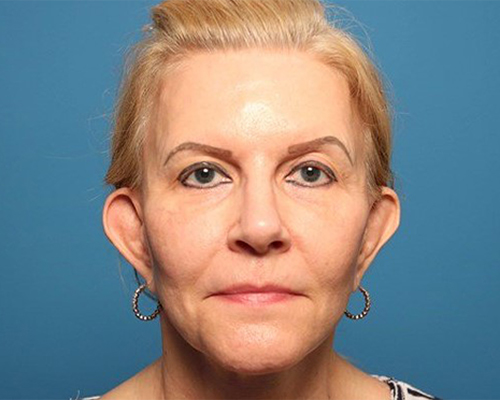
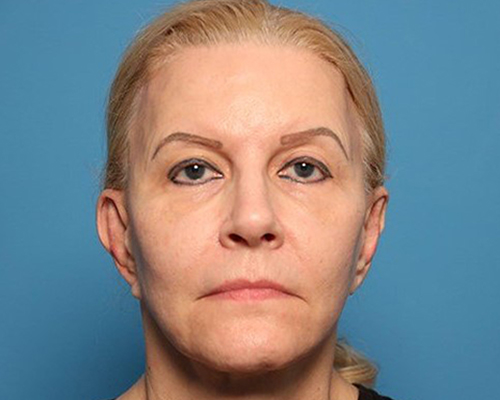
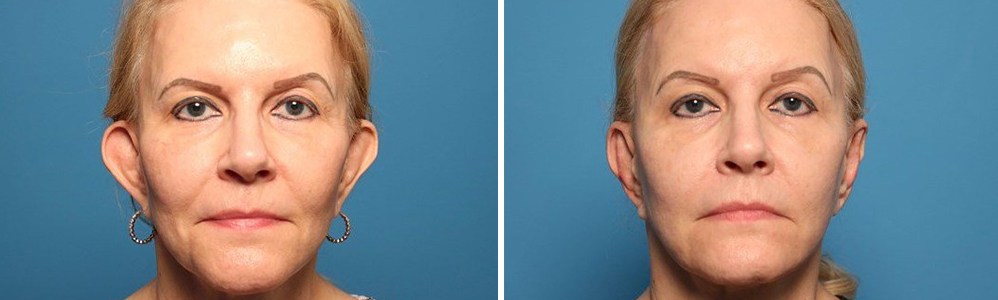
Other Types of Ear Surgery
Otoplasty is only one type of ear surgery. At Sarasota Plastic Surgery Center, we offer other types of ear surgery to fit our patients’ needs.
Earlobe Reduction
Earlobe reduction is a procedure that reduces the size and prominence of the earlobes. If your earlobes are saggy, stretched, or large, then earlobe reduction can be a more appropriate procedure.
Earlobe Repair
In addition to ear pinning and ear reshaping, our Sarasota office also assists patients who require earlobe repair due to heavy earrings or even gauges.
How is Otoplasty Performed?
In the cases of protruding ears, the cartilages are reformed and sometimes supported by splints. Soft tissues may also be trimmed away. The incisions are made behind the ear to reveal the ear’s confines. The ears will be repositioned by tightening the skin and then sutured. In cases of hidden ears, when cartilages are not fully developed, manipulations may include reshaping the cartilages by pulling or repositioning while splints are placed as supports. Sometimes, tissue grafting is also necessary to render volume.
What Can I Expect During and After Otoplasty?
Otoplasties are performed with general anesthesia at our Sarasota surgical center. The procedure will take 1 to 2 hours to complete, and the patient will be sent home for recovery. The ear will be bandaged to keep the new position and shape in place. This also helps so that children cannot touch or play with their ears, which may complicate healing. Activities must be limited, especially within the first week. Scars will remain hidden behind the ears or within the natural folds if the incisions are made in front of the ear.
FAQs About Ear Surgery in Florida
Can I drive after ear surgery?
Our surgeons don’t recommended driving immediately after surgery, especially if you’ve received sedation or anesthesia. Arrange for someone to drive you home and wait at least 24 hours before driving.
Does otoplasty affect hearing?
No, otoplasty does not affect hearing. It only reshapes the external ear without altering the inner structures responsible for hearing.
Does otoplasty last forever?
Yes, otoplasty provides permanent results by reshaping and repositioning the ears. Once healed, the changes remain since the ears don’t change significantly after they develop.
How dangerous is ear surgery?
Otoplasty is generally a safe procedure with minimal risks, but potential complications include infection, asymmetry, and changes in sensation. Our plastic surgeons will discuss the risks and how to mitigate them.
How do you sleep after ear surgery?
Sleep on your back with your head elevated and avoid putting pressure on your ears for at least two weeks to prevent complications.
How ear surgery is done?
During otoplasty, an incision is typically made behind the ear to reshape or remove cartilage. The ear is then repositioned closer to the head, and sutures are placed to maintain its new shape.
How long is otoplasty surgery?
Otoplasty typically takes 1-2 hours, depending on the complexity of the correction. It’s usually performed as an outpatient procedure.
How long should I wear headband after otoplasty?
Our plastic surgeons recommend wearing a headband for at least one to two weeks to protect the ears and support healing. Some patients may need to wear it at night for a few more weeks.
Why do my ears stick out?
Protruding ears are often due to genetics and result from underdeveloped or misshapen ear cartilage. Otoplasty can correct this by reshaping the cartilage for a more subtle appearance.
Why would you need ear surgery?
Ear surgery is typically performed to correct prominent ears, repair deformities, or restore ear shape after injury. Some patients also seek surgery for congenital conditions like microtia.
How long will the results from ear surgery last?
The ears typically mature faster than any other part of the body, therefore, at an appropriate age and time when surgical adjustments are made, the results are generally long lasting. Even as the body changes due to age and gravity, the changes to the ear will be minimal and a secondary otoplasty is usually not needed.
How old do I need to be to have ear surgery?
On average, 7-8 year olds are ideal candidates for otoplasty as the ear will be already developed and the cartilage and tissues will still be soft, making it easy to reshape. This age is also recommended as it is a time before any schooling, which helps to avoid teasing.
Should I have surgery done on both ears?
Usually, the condition is symmetrical to both ears. The final shape that the surgery will aim for will depend on the initial structure of the ear and how cartilages are placed. If the procedure is only for one ear, the shape will be patterned after the normally formed ear.
Will otoplasty leave visible scars?
Because the incisions are typically placed in hidden areas, only those who know you have had ear surgery will likely notice any scar tissue. It also helps that most patients' ears have natural folds and curves that camouflage any visible scars. Like most surgical scars, otoplasty scars will fade with time.
Is otoplasty performed under general or local anesthesia?
Otoplasty can be performed under a variety of anesthesia types, such as general anesthesia, monitored anesthesia, and IV sedation. The choice is up to the patient and surgeon. Some patients simply want to go to sleep and not think about it. Others want to stay awake, and an expert surgeon can gently provide the nerve blocks that can quickly make the ear numb. The right choice depends on your age, anxiety level, and your surgeon's recommendation.
Can otoplasty be combined with other facial procedures?
Otoplasty is frequently combined with other facial procedures. Simultaneous rhinoplasty and otoplasty can achieve a natural appearance by balancing facial features. Swelling and bruising are reduced as the body experiences simultaneous healing, and sharing recovery time reduces the total time taken toward recovery while providing more comprehensive rejuvenation.
What is the difference between otoplasty and ear pinning?
Otoplasty is a general term for any type of cosmetic ear surgery. Ear pinning, on the other hand, refers specifically to the pinning back of protruding ears to give them a more natural position against the side of the head. When people casually refer to "otoplasty" in everyday conversation, they are often specifically talking about ear pinning, since it is the most common reason patients seek ear surgery.
How do I prepare for ear surgery?
Your surgeon will provide thorough preoperative instructions, answer any questions you may have, take a detailed medical history, and perform a physical exam to determine your fitness for surgery. In advance of your procedure, your surgeon will ask you to stop smoking before undergoing surgery to promote better healing, avoid taking aspirin, certain anti-inflammatory drugs, and some herbal medications that can cause increased bleeding.
Can otoplasty fix earlobe issues or stretched piercings?
Yes, though these are technically considered a separate but related procedure. Earlobe repair is commonly done for torn earlobes, stretched earlobes, or gauged earlobes. If there are other concerns with the ear such as the shape or how much it sticks out, you may also need a formal otoplasty or ear shaping.
What happens if I'm not happy with my otoplasty results?
If you are unhappy with otoplasty results and want to have a revision, it is recommended that you wait until your cartilage is completely stabilized, which typically takes six months to a year. Sometimes, swelling or the natural folds of the ear take a few weeks to settle before the ears achieve their final shape.
Is otoplasty covered by insurance?
Insurance providers typically base their coverage decisions on medical necessity and whether a procedure could be deemed reconstructive surgery. If otoplasty is deemed necessary to address functional issues, such as hearing impairments caused by ear deformities, insurance coverage might be a possibility. However, as a cosmetic procedure, insurance coverage is less likely.
What are the most common complications of ear surgery?
Like all surgical procedures, there are complications which can occur with otoplasty, such as hematoma, infection, abnormal contours, overcorrection, undercorrection, and exposed sutures. Most complications are manageable, and the risk is significantly reduced when you choose a board-certified, experienced surgeon and follow all post-operative care instructions closely.
Will my ears look natural after otoplasty, or will it be obvious I had surgery?
The goal of successful otoplasty is for people to notice that you look better without being able to identify exactly what changed. The key to achieving natural-looking results is selecting an experienced, board-certified surgeon who takes a conservative, artistically guided approach to ear reshaping.


